
Added a Water Feature? Here's How It Changes Your Maintenance Needs
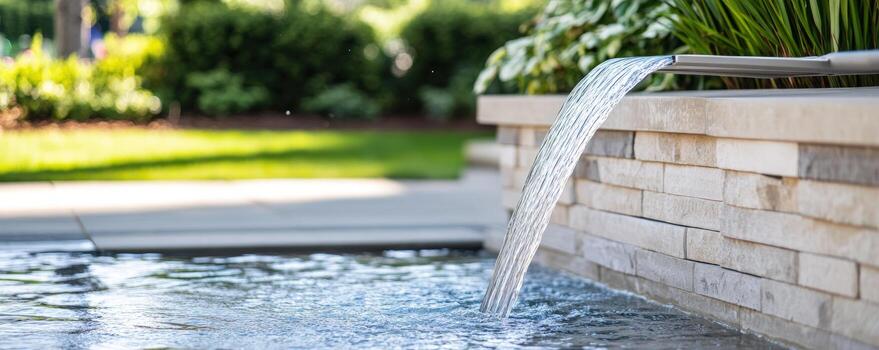
Adding a waterfall, fountain, spillover spa, or other water feature to an existing pool is a popular way to upgrade the look and feel of a backyard, but it also changes what a proper weekly maintenance visit actually needs to account for. Homeowners who've added a feature sometimes don't realize their maintenance needs have shifted until something related to the new addition starts causing problems.
Why Water Features Add Complexity to Routine Maintenance
Additional circulation points to monitor. A water feature typically introduces its own plumbing path and sometimes its own dedicated pump, meaning there's an additional circulation zone that needs to be checked for proper flow and function during every visit, not just the main pool body.
Faster evaporation from moving water. Features that actively move or spray water, waterfalls, fountains, jets, increase the surface area exposed to air and accelerate evaporation compared to still pool water. This means water levels and by extension, chemical concentration, can shift somewhat faster than in a pool without added features.
More surface area for calcium and mineral buildup. Waterfalls and spillover edges create additional wetted surface area, often in decorative stone or tile, that's exposed to the same mineral buildup process as the pool's main waterline, just across more total surface.
Attached spas run at different temperatures. If the added feature is a spa, its higher operating temperature affects chemical demand differently than the cooler pool water it's connected to, sometimes requiring separate attention during chemical balancing rather than assuming both bodies of water behave identically.
What Weekly Maintenance Should Now Include
For pools with an added water feature, a thorough weekly visit should extend standard skimming, testing, and equipment checks to cover the feature's specific plumbing and surfaces, not just the main pool. This means checking the feature's pump (if separate) for proper function, inspecting any additional tile or stone surfaces for buildup, and factoring the feature's water volume into overall chemical calculations.
Why Some Homeowners Don't Realize Maintenance Needs Have Changed
If a water feature was added after your maintenance plan was already established, it's possible your existing service continued at the same scope and pricing as before, without formally accounting for the added complexity. This isn't necessarily anyone's fault, it's simply something that's easy to overlook amid the excitement of a backyard upgrade, but it's worth revisiting with your provider once a feature has been added.
Why This Matters for Long-Term Equipment Health
Water features that don't get the same consistent attention as the main pool can develop issues, pump problems specific to the feature, buildup that goes unaddressed, that eventually affect the overall system or require a more involved fix than would have been needed with consistent attention from the start.
What to Do If You've Recently Added a Feature
If you've added a waterfall, spa, or other feature recently, it's worth having a conversation with your pool service about whether your current maintenance scope has been updated to properly account for it, rather than assuming the existing routine automatically covers the addition.

Added a water feature and not sure if your maintenance plan covers it properly? Request your free consultation and get it reviewed.