
Cartridge, Sand, or DE Filter: Which Needs More Cleaning?
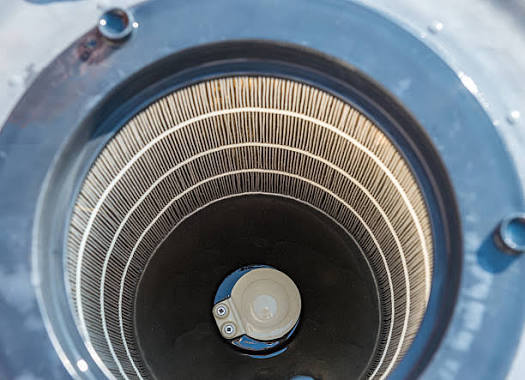
Not all pool filters are cleaned the same way, or on the same schedule. If you've moved into a home with a pool and aren't sure what type of filter you have, or you're just wondering why your neighbor cleans their filter more (or less) often than you do, the answer comes down to which of the three main filter types you're working with.
Cartridge Filters
Cartridge filters use a pleated fabric element to catch debris. They generally need cleaning every few weeks to a couple months, depending on debris load and pool usage. Cleaning involves removing the cartridge and rinsing out trapped dirt and oils, and cartridges eventually need full replacement, typically every few years, once the fabric material breaks down or stops filtering effectively even after cleaning.
Sand Filters
Sand filters use specially graded sand to trap particles as water passes through. They're cleaned through a process called backwashing, reversing water flow to flush trapped debris out of the system, rather than removing and rinsing a physical cartridge. Sand filters generally need backwashing less frequently than cartridge cleaning, often based on filter pressure readings rather than a fixed schedule. The sand itself typically needs full replacement every several years.
DE (Diatomaceous Earth) Filters
DE filters use a fine powder made from fossilized diatoms, offering some of the finest filtration of the three types. Like sand filters, they're cleaned through backwashing, but DE filters need fresh DE powder added after each backwash cycle, since it gets flushed out along with the debris it caught.
How to Know Which Filter Type You Have
If you're not sure, checking the equipment pad is the most direct way. Cartridge filters typically have a visible tank that opens to reveal a pleated fabric cartridge inside. Sand and DE filters usually have a multiport valve on top used for switching between filter, backwash, and other settings.
Signs Any Filter Type Needs Attention
Regardless of filter type, common signs it needs cleaning include rising pressure gauge readings, reduced water flow from returns, and cloudy water despite balanced chemicals. The specific cleaning method differs by filter type, but the warning signs are largely universal.
Why Getting the Right Type of Cleaning Matters
Using the wrong maintenance approach, treating a sand filter like a cartridge filter, for example, either doesn't clean it effectively or risks damaging the system. Professional pool filter cleaning identifies your specific filter type and services it using the correct method, ensuring it's actually restored to full performance rather than just superficially addressed.

Not sure what type of filter you have, or when it was last properly cleaned? Request your free consultation and find out.