
Chemical Cleaning vs. Media Blasting: How Pool Tile Cleaning Methods Differ
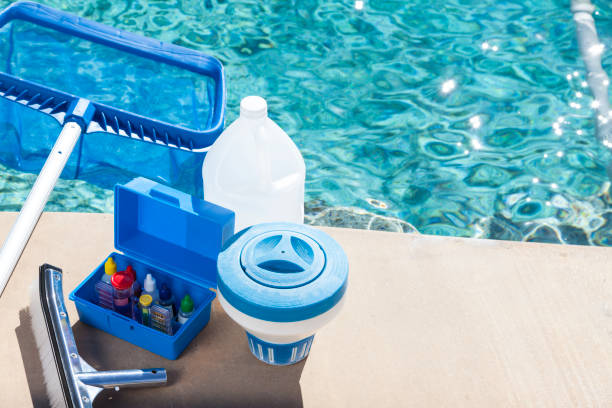
Professional pool tile cleaning isn't a single, uniform process, different methods exist for addressing calcium and mineral buildup, and understanding the basic differences helps explain why the right approach depends on your tile's specific condition and material.
Chemical-Based Cleaning Methods
Chemical descaling treatments use specifically formulated products designed to dissolve calcium and mineral deposits without requiring aggressive physical abrasion. This approach tends to be gentler on the tile surface itself, making it well-suited for lighter to moderate buildup, and for more delicate tile materials like glass, discussed elsewhere, where physical abrasion carries higher risk of surface damage.
Media Blasting Approaches
Media blasting uses a pressurized stream of a specific fine abrasive media directed at the tile surface to physically remove buildup through controlled abrasion. This method can be more effective for heavier, more established buildup that chemical treatment alone might not fully address, but it requires careful control and appropriate media selection to avoid damaging the underlying tile surface, particularly on more delicate materials.
Why Buildup Severity Often Determines the Right Method
Lighter, more routine buildup, the kind addressed through regular one-to-three-year cleaning intervals, is often well-suited to chemical treatment alone. More severe, long-neglected buildup, as discussed elsewhere regarding tile that's gone many years without attention, sometimes requires the more aggressive removal capability that media blasting offers to fully address.
Why Tile Material Also Factors Into Method Selection
As covered regarding glass and natural stone tile specifically, more delicate materials generally call for gentler chemical approaches, reserving media blasting primarily for more durable materials like standard ceramic tile where the physical abrasion involved carries lower risk of surface damage.
Why Combining Methods Sometimes Makes Sense
For certain situations, a combination approach, chemical treatment to address the bulk of buildup followed by very targeted, careful use of a more physical method for stubborn remaining spots, can achieve thorough results while minimizing the risk that comes with more aggressive blanket physical treatment across the entire tile surface.
Why the Right Method Should Be Determined by Assessment, Not Default Habit
A pool tile cleaning service that automatically applies the same method regardless of your specific tile material and buildup severity isn't necessarily giving you the most effective, safest treatment for your particular situation. A proper assessment considers your tile's material, the extent of buildup, and selects the appropriate method, or combination of methods, accordingly.
What to Ask About Before Scheduling
If you're uncertain which approach is right for your tile, asking your pool service directly about their assessment process, and how they determine which method fits your specific tile and buildup situation, helps ensure you're getting a properly matched approach rather than a one-size-fits-all default.

Want your tile cleaning method properly matched to your specific tile and buildup? Request your free consultation and get an informed approach.