
Cooling Your Pool Down in Summer? Here's How It Affects Chemistry
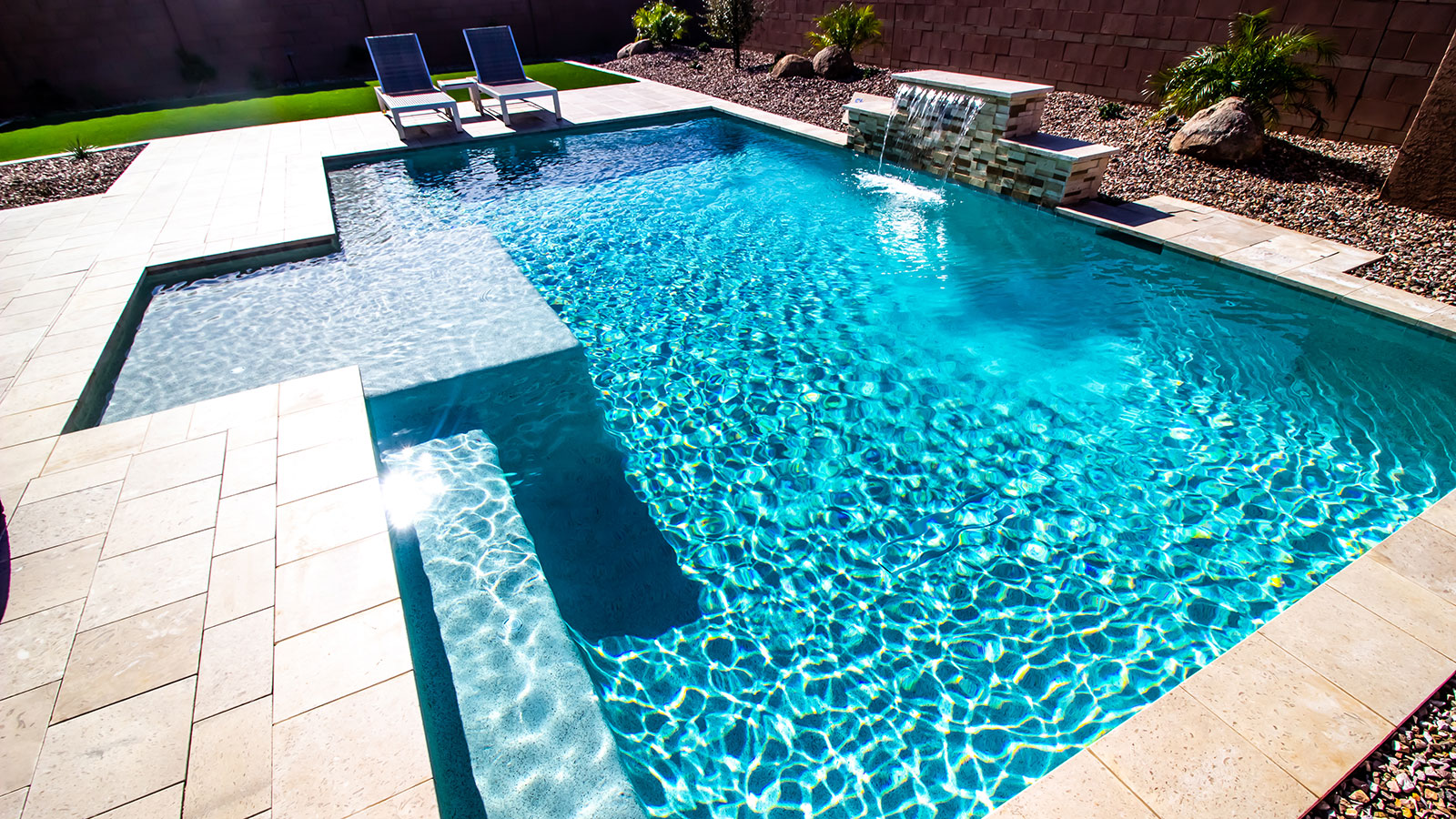
During particularly intense North Texas summer stretches, some homeowners consider adding a meaningful amount of fresh, cooler water to bring down pool temperature for a more comfortable swim, sometimes partially draining and refilling, or simply topping off more aggressively than usual with cooler tap or well water. This practice does have chemical balance implications worth understanding.
Why Homeowners Consider This During Extreme Heat
Pool water can reach uncomfortably warm temperatures during peak North Texas summer, sometimes feeling more like bath water than a refreshing swim, particularly in shallower areas or smaller pools with less thermal mass to buffer against ambient heat. Adding fresher, cooler water is a reasonably intuitive response to this discomfort.
How Adding Significant Fresh Water Affects Existing Chemical Balance
As covered elsewhere regarding fill water's general impact on chemistry, introducing a meaningful volume of new water dilutes existing chlorine, pH buffers, and other established chemical levels, meaning the pool's carefully balanced chemistry from recent testing and adjustment gets partially reset by the new water's own characteristics.
Why This Requires Retesting, Not Just Assuming Previous Balance Holds
After adding a significant volume of fresh water specifically to cool the pool down, chemistry should be retested rather than assuming the levels established before the water addition still accurately reflect current conditions. The new water's baseline chlorine, pH, and mineral content genuinely shifts the overall balance, sometimes meaningfully depending on how much water was added.
Why This Differs From Routine, Smaller Top-Offs
Routine top-offs addressing normal evaporation typically involve smaller volumes relative to total pool water, meaning their dilution effect on established chemistry is comparatively modest. A more significant volume added specifically for temperature reduction represents a larger proportional change, warranting more deliberate retesting and adjustment rather than assuming it's negligible.
Alternative Approaches Worth Considering
Some homeowners find that adjusting swim timing to cooler parts of the day, early morning or evening, addresses the temperature discomfort without needing to significantly dilute established chemistry through major water addition. This isn't necessarily the right choice for every situation, but it's worth considering as an alternative to more significant water volume changes purely for temperature management.
What to Do If You Do Add Significant Cooling Water
If you do choose to add a substantial volume of fresh water to cool your pool, planning for a follow-up chemistry test and adjustment shortly afterward, rather than assuming your prior balance remains accurate, keeps your pool from drifting into an imbalanced state as a side effect of solving the temperature comfort issue.

Considering cooling your pool with fresh water and want the chemistry managed properly afterward? Request your free consultation to get it right.