
Do Saltwater Pools Still Need Chemical Balancing?
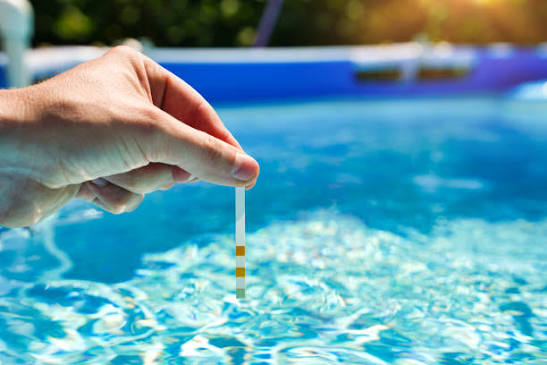
One of the most common misconceptions about saltwater pools is that converting means you're done worrying about chemical balancing altogether. Salt systems change how chlorine gets into the water, but they don't eliminate the need to manage water chemistry, they just shift what that management looks like.
What Salt Systems Actually Change
A salt cell generates chlorine from dissolved salt through electrolysis, replacing the need to manually add chlorine. That's a genuine convenience, no more hauling or measuring chlorine by hand. But the water still needs chlorine, pH, alkalinity, and calcium hardness all within proper range, the same as any traditionally chlorinated pool.
What Still Needs Regular Attention on a Salt System
Salt level itself. Salt cells need salt within a specific range to function properly. Too little salt and the cell can't generate enough chlorine. Too much can cause other issues, including potential equipment strain.
pH management. Salt systems tend to push pH upward over time as a byproduct of the chlorine generation process, meaning pH often needs more frequent correction on a salt pool than some homeowners expect.
Stabilizer levels. Cyanuric acid still matters on a salt system, protecting the generated chlorine from breaking down too quickly in direct sunlight, just as it would with manually added chlorine.
Salt cell maintenance. The cell itself can accumulate calcium scale over time, which reduces its ability to generate chlorine efficiently if not periodically cleaned.
Why Some Salt Pool Owners Get Caught Off Guard
Because salt systems handle chlorine generation automatically, some homeowners assume the whole chemistry side is now hands-off. When pH drifts or the salt cell starts scaling without regular checks, it can go unnoticed until chlorine output drops and the pool starts trending toward cloudy or algae-prone conditions, exactly the problem the salt system was supposed to help prevent.
Why Professional Balancing Still Matters on Salt Pools
Professional pool chemical balancing for salt systems accounts for the specific way these systems affect pH and calcium behavior over time, catching drift before it affects chlorine output. It's a different maintenance profile than a traditional chlorine pool, but it's not a lower-maintenance one in terms of chemistry oversight, just a different set of things to watch.

Have a saltwater pool and want to make sure it's actually balanced? Request your free consultation to find out.