
Do You Need to Winterize a Pool in North Texas?
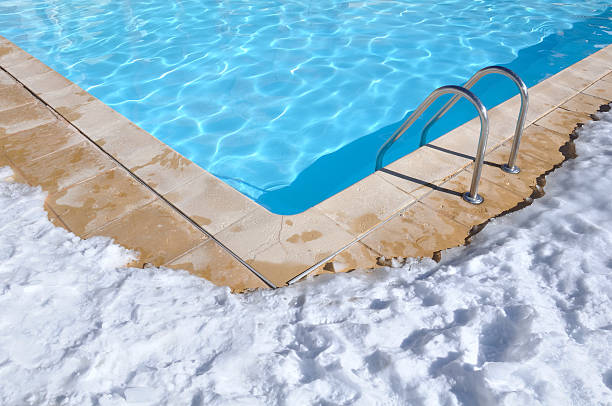
North Texas doesn't get the hard freezes that force pools up north to fully shut down for winter, which leads a lot of homeowners to wonder if winterizing even applies here. The honest answer: it's less intense than in colder climates, but skipping it entirely still puts equipment and water quality at risk.
What Winterizing Means in North Texas
Unlike regions with sustained freezing temperatures, North Texas pools typically don't need to be fully drained or completely shut down. Instead, "winterizing" here usually means adjusting the maintenance approach for cooler months rather than closing the pool entirely.
What Should Still Happen During Winter Months
- Continued water testing, since chemistry still shifts even with less swimming activity
- Equipment protection, particularly during any hard freeze warnings, to prevent pipes or equipment from cracking
- Reduced but not eliminated chemical balancing, cooler water uses chlorine more slowly, but algae can still develop
- Periodic filter and pump checks, since equipment sitting unused for long stretches is more prone to problems when restarted
The Risk of Ignoring Pool Care in Winter
Pools that get completely ignored over winter often come back green, cloudy, or with equipment issues in spring. What would have been simple, consistent care during the cooler months turns into a full recovery cleaning once swim season approaches. Occasional attention through winter is far less work than fixing months of neglect in spring.
What Homeowners Should Actually Do
Rather than fully closing the pool, most North Texas homeowners are better served by reduced-frequency maintenance through winter, keeping equipment protected during freeze events and chemistry from drifting too far out of range. This sets the pool up for an easy spring opening instead of a full recovery project.

Not sure what your pool needs this winter? Request your free consultation and get a plan that fits our North Texas climate.