
Does Adding a Heater or Salt System Affect Your Pool Tile?
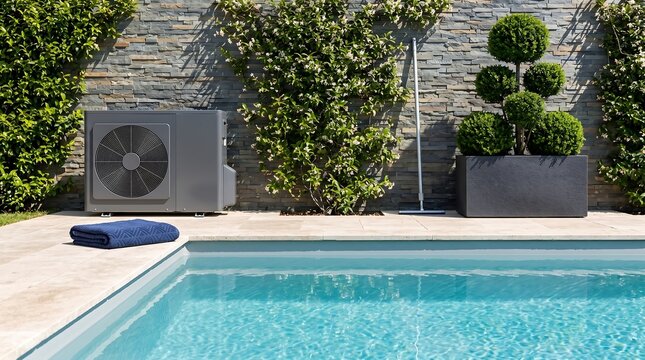
Upgrading a pool with a heater or converting to a saltwater system are both popular improvements, but each can have a secondary effect on tile condition that's worth understanding before or after making either change.
How Adding a Heater Can Affect Tile
Heated pools, or heated sections like an attached spa, run at consistently higher temperatures, and higher water temperature accelerates the rate at which calcium comes out of solution and deposits onto surfaces. This means tile in and around a heated area, or a pool that's now regularly heated when it wasn't before, may experience somewhat faster calcium buildup than it did prior to the heater's addition.
How a Salt System Conversion Can Affect Tile
As covered elsewhere regarding salt system chemistry, salt systems tend to push pH upward over time as a byproduct of the chlorine generation process. Since higher pH is one of the factors that contributes to calcium coming out of solution and depositing on surfaces, a salt pool with pH that isn't closely monitored can see somewhat accelerated tile buildup compared to a traditional chlorine pool with tightly managed pH.
Why Neither of These Changes Should Discourage the Upgrade
Both heaters and salt systems offer genuine, valuable benefits, extended swim season, softer water feel, and reduced manual chlorine handling, that make them worthwhile upgrades for many homeowners despite this secondary tile consideration. The goal isn't to avoid these upgrades, it's to be aware that they may modestly change your tile maintenance needs going forward.
What to Adjust After Either Upgrade
More attentive pH monitoring for salt systems, since this is the specific factor most directly tied to accelerated buildup risk from salt conversion.
Slightly closer attention to tile condition in heated areas, particularly around an attached spa or heated pool section, where the temperature effect on calcium deposition is most concentrated.
Potentially adjusted tile cleaning intervals. If you notice buildup accumulating somewhat faster after either upgrade, shifting your professional cleaning schedule modestly to account for this is a reasonable, practical response.
Why This Connects Back to Overall Chemical Management
Ultimately, both of these upgrade-related tile considerations tie back to the same underlying principle covered throughout: consistent, attentive chemical balancing, particularly calcium hardness and pH, is what most directly controls how quickly tile buildup develops, regardless of what specific equipment changes have been made to the pool.
What to Do If You've Recently Made Either Upgrade
If you've added a heater or converted to salt within the past year or so, it's worth mentioning this to your pool service specifically, so they can factor it into how closely they're monitoring the chemistry factors most relevant to tile condition going forward.

Recently added a heater or salt system and want your tile monitored accordingly? Request your free consultation to get it factored into your plan.