
Green, Black, or Mustard: Not All Pool Algae Is the Same
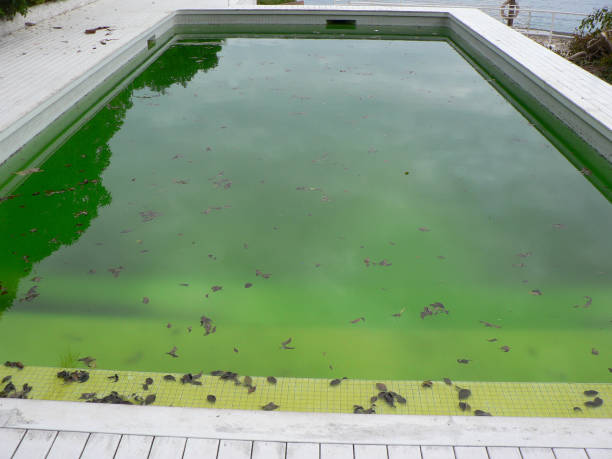
"Green pool" is the most common way homeowners describe an algae problem, but algae actually comes in a few different forms, and knowing which type you're dealing with matters for how effectively it gets treated.
Green Algae: The Most Common Type
Green algae is by far the most frequently encountered type, and it's usually the fastest-growing and easiest to treat of the common varieties. It tends to appear suspended throughout the water, giving the whole pool a cloudy green tint, though it can also cling to surfaces in patches. Standard shock treatment combined with thorough brushing and filtration typically clears green algae effectively within a few days.
Black Algae: Tougher and More Stubborn
Black algae appears as small, dark spots or patches, often on rougher surfaces like plaster, grout, or concrete where it can anchor itself more deeply than green algae. It develops a protective outer layer that makes it noticeably more resistant to standard chlorine treatment. Black algae typically requires more aggressive brushing to physically break through that protective layer before chemical treatment can fully reach and kill the organism underneath, and it often needs a more sustained treatment approach than green algae.
Mustard Algae: Less Common, Often Mistaken for Dirt
Mustard algae has a yellowish-brown appearance that can sometimes be mistaken for dirt or sand settled at the bottom of the pool rather than recognized as algae at all. It tends to cling to surfaces, particularly in shaded areas, and can be somewhat resistant to standard chlorine levels, sometimes surviving treatment that would fully eliminate green algae. Mustard algae often requires a combination of shock treatment and a specific algaecide effective against this particular variety.
Why Misidentifying the Type Leads to Treatment That Doesn't Work
Treating black or mustard algae with the same approach that works well for green algae, standard shock and basic brushing, often isn't sufficient. This mismatch is a common reason DIY algae treatment sometimes fails to fully resolve a problem even after what seems like reasonable effort, the treatment approach simply wasn't matched to the specific type of algae actually present.
How Professional Treatment Accounts for This
A proper green-to-blue cleaning process starts by identifying what type of algae is actually present, since that determines the specific combination of brushing intensity, chemical treatment, and follow-up steps needed for effective, lasting removal. This diagnostic step is part of why professional treatment tends to fully resolve algae problems that DIY attempts sometimes only partially address.
Preventing Recurrence Regardless of Type
Whatever type of algae caused the initial bloom, transitioning to consistent chemical balancing and regular maintenance afterward is what prevents any type from re-establishing, since all forms of pool algae ultimately depend on the same underlying conditions, insufficient sanitizer relative to what's needed to keep growth in check.

Not sure what type of algae you're dealing with? Request your free consultation and get it properly identified and treated.