
How a Dirty Pool Filter Quietly Raises Your Energy Bill
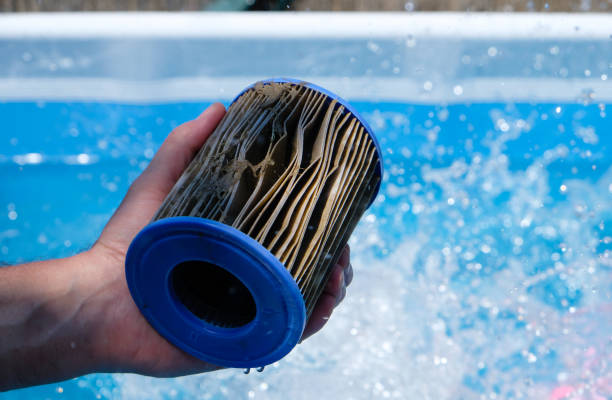
Most homeowners think of filter cleaning purely in terms of water clarity, but there's a direct connection between filter condition and energy costs that often goes unnoticed until an electric bill prompts a closer look. A dirty, clogged filter doesn't just filter less effectively, it makes your entire pump system work harder, and that added strain shows up in your monthly energy usage.
Why a Clogged Filter Increases Energy Use
Pumps are designed to move water through the system against a certain amount of expected resistance. As a filter becomes clogged with debris, that resistance increases significantly, meaning the pump has to work harder, drawing more power, to push the same volume of water through an increasingly restricted path. This is true whether you have an older single-speed pump running at constant full power, or a more modern variable-speed pump that adjusts effort based on demand, either way, a clogged filter means more energy spent to achieve the same water circulation.
How Much of a Difference This Actually Makes
While the exact impact varies by pump type, filter condition, and how long the system has been neglected, a significantly clogged filter can meaningfully increase the energy draw of your pump, sometimes considerably more than homeowners expect from what seems like a relatively minor maintenance oversight. Over the course of a full pool season, this added energy cost from an under-maintained filter can add up to a genuinely noticeable amount on your electric bill.
Why This Often Goes Unnoticed
Energy bills fluctuate for plenty of reasons throughout the year, weather, general household usage changes, seasonal rate adjustments, making it easy to overlook a specific, addressable cause like filter condition amid all that normal variation. Unless someone specifically connects rising costs to pump strain from a dirty filter, this particular contributing factor tends to go unaddressed.
The Compounding Effect on Equipment Longevity
Beyond the immediate energy cost, a pump working harder against increased resistance experiences more wear over time than one operating under normal, expected conditions. This means a chronically neglected filter doesn't just cost more in electricity month to month, it can also contribute to a shorter overall pump lifespan, adding a future equipment replacement cost on top of the ongoing energy waste.
How Regular Filter Cleaning Addresses Both Issues at Once
Keeping filters on a consistent, appropriate cleaning schedule prevents the buildup of resistance that drives up energy use, while simultaneously reducing unnecessary strain on the pump that could otherwise shorten its working life. This connection is part of why filter maintenance matters for reasons well beyond just keeping the water looking clear.
What to Do If You Suspect This Is Affecting Your Bill
If your energy costs have crept up without an obvious explanation, and it's been a while since your filter was thoroughly cleaned, checking (or having a professional check) filter pressure and condition is a reasonable, low-effort first step before assuming the cause is something more complicated or expensive to address.

Wondering if your filter is quietly driving up your energy bill? Request your free consultation and get it properly checked.