
How Big Temperature Swings Affect Your Pool's Chemical Balance
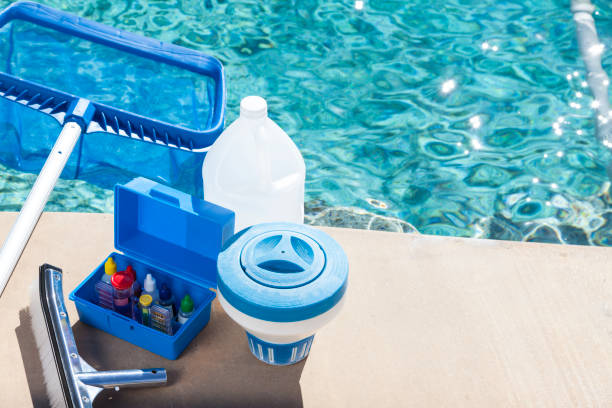
North Texas weather has a reputation for dramatic swings, an 80-degree afternoon followed by a cold front dropping temperatures significantly within a day or two, particularly during spring and fall transition periods. These temperature swings do affect pool chemistry in ways worth understanding, beyond just the more straightforward seasonal patterns covered elsewhere.
Why Rapid Temperature Changes Affect Chemistry Differently Than Gradual Seasonal Shifts
Most seasonal chemistry guidance assumes a relatively gradual transition, spring gradually warming into summer, for example. Rapid swings, a hot stretch suddenly followed by a cold front, or vice versa, create more abrupt shifts in chlorine demand and overall chemical behavior than the pool, or a homeowner's routine, may be prepared for.
What Happens During a Sudden Temperature Drop
A sudden cold front following a warm stretch generally reduces chlorine demand relatively quickly, since cooler water slows the rate of chlorine breakdown from heat and, often, reduced sunlight during cloudy, cold-front conditions. A pool that was dosed for warm-weather demand right before a sudden temperature drop may end up with relatively higher chlorine levels than needed for the now-cooler conditions, not usually a serious problem, but worth being aware of rather than continuing to dose at the previous rate without adjustment.
What Happens During a Sudden Temperature Spike
Conversely, an unusually warm stretch following a cooler period increases chlorine demand more quickly than the pool may have been prepared for if dosing assumptions were still based on the recent cooler conditions. This is a more meaningful concern, since underestimating chlorine demand during an unexpected warm spike can allow chemistry to drift toward conditions that favor algae growth faster than expected.
Why Testing Frequency Should Respond to These Swings
Rather than relying purely on a fixed seasonal testing schedule, being responsive to actual weather patterns, testing more closely following a significant, rapid temperature shift in either direction, helps catch chemistry that's drifted due to the swing before it becomes a bigger issue, particularly following an unexpected warm spike.
Why This Is Part of Why Professional Weekly Service Adapts Well to This Variability
A pool service visiting weekly and testing at each visit naturally captures whatever conditions have occurred in the preceding days, including any significant temperature swings, and adjusts chemical dosing based on the pool's actual current state rather than a rigid assumption based on typical seasonal patterns that don't account for North Texas weather's tendency toward sudden shifts.
The Practical Takeaway for Homeowners
If you notice North Texas weather has recently swung significantly, whether an unexpected warm stretch or a sudden cold front, it's a reasonable prompt to test your pool's chemistry sooner than your normal routine might otherwise call for, rather than assuming your last test result still reflects current conditions.

Want your pool chemistry managed responsively to North Texas's unpredictable weather? Request your free consultation to get started.