
How Long Should Your Pool Equipment Actually Last?
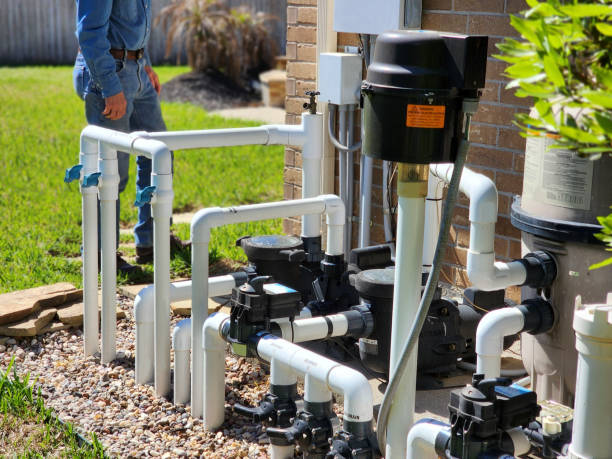
Knowing roughly how long different pieces of pool equipment are supposed to last helps homeowners plan ahead, budget realistically, and recognize when a repair conversation might actually be heading toward a replacement conversation instead. Lifespan varies by component, and by how well each piece has been maintained along the way.
Pool Pumps: Typically 8 to 12 Years
Pumps are one of the hardest-working components in the entire system, running for hours daily. Well-maintained pumps, especially variable-speed models that run at lower, more efficient speeds most of the time, tend toward the higher end of this range. Pumps that run constantly at full speed, or that deal with frequent clogs and restricted flow, tend to wear out faster.
Filters: Varies Significantly by Type
Cartridge filter elements typically need replacement every 2 to 5 years, even with regular cleaning, since the fabric media gradually loses effectiveness. Sand filter media generally lasts 5 to 7 years before needing replacement, though the tank itself can last much longer. DE filter grids can last 5 to 10 years with proper care, though the DE powder itself is replaced with every cleaning cycle.
Pool Heaters: Typically 8 to 12 Years for Gas, Longer for Electric
Gas heaters tend to have a somewhat shorter expected lifespan due to the heat and combustion stress on components, while electric heat pumps often last closer to 10 to 15 years with proper maintenance. Heaters that see heavy seasonal use, or that haven't had regular maintenance, often fall on the shorter end of these ranges.
Salt Cells: Typically 3 to 7 Years
Salt cells wear down gradually as they generate chlorine through electrolysis, and calcium scaling on the cell itself can shorten lifespan if not periodically cleaned. Regular cell maintenance and properly balanced water chemistry both help salt cells last closer to the higher end of this range.
Automation Systems and Control Boards: Typically 8 to 15 Years
These systems tend to last a long time mechanically, but can sometimes become outdated from a software or connectivity standpoint before the hardware itself actually fails, particularly for systems relying on app or Wi-Fi connectivity.
Why Actual Lifespan Varies So Much From These Averages
These ranges assume reasonably consistent maintenance and typical residential use. Pools that see heavier than average use, that have gone through periods of neglect, or that deal with harsher water chemistry (like North Texas hard water) without proper balancing can see meaningfully shorter equipment lifespans than these general averages suggest.
Why Knowing These Numbers Helps You Plan
If your pump is 10 years old and starting to show minor issues, understanding that it's near the upper end of its typical lifespan changes the conversation from "is this worth repairing" to "this is probably approaching replacement regardless, so what's the most cost-effective path forward." That context matters for making informed decisions rather than reacting to each issue in isolation.

Not sure how much life is left in your current equipment? Request your free consultation and get an honest assessment.