
How Often Should You Really Test Your Pool Water?
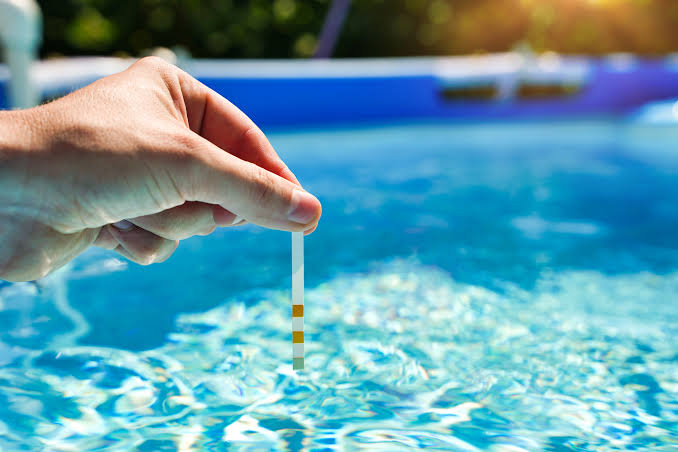
There's no single answer to how often pool water should be tested, it genuinely depends on the season, how much the pool is used, and a few other factors. But most homeowners either test far too infrequently or don't know what to do with the results once they have them.
Baseline Testing Frequency
For most residential pools, testing two to three times per week during peak summer months is a reasonable baseline. During cooler months, once a week is often sufficient, since chlorine breaks down more slowly and chemistry drifts less quickly overall.
When to Test More Frequently Than Usual
- Right after heavy rain, since rain dilutes chemistry and introduces organic debris quickly
- Following a pool party or period of heavy swimmer use, since higher bather load increases chlorine demand
- After any chemical adjustment, to confirm the change actually brought levels into range rather than overcorrecting
- During the first couple of weeks after a green-to-blue recovery, while chemistry is still stabilizing
Why Consistency Matters More Than Perfect Timing
Testing sporadically, once every couple of weeks with no real pattern, means you're often catching problems well after they've started rather than as they're developing. A consistent testing schedule, even if it's not daily, catches drift early enough to make small adjustments instead of dealing with a bigger correction later.
What to Actually Test For
A complete test should cover chlorine, pH, total alkalinity, and calcium hardness at minimum. Testing chlorine alone and assuming everything else is fine misses how these factors interact, high pH can make adequate chlorine levels ineffective, for example, even if the chlorine number itself looks correct on a strip.
Why Professional Testing Catches What At-Home Kits Miss
At-home test strips are useful for a rough read between service visits, but they're less precise than professional-grade testing, and they don't always account for how multiple factors interact. Pools on a weekly maintenance schedule get consistent, accurate testing built into every visit, which is part of why professionally managed pools see fewer surprise chemistry-related issues.

Not sure if you're testing often enough, or testing for the right things? Request your free consultation and let Pool Theory handle it.