
How Pool Chemical Needs Change With the Seasons in North Texas
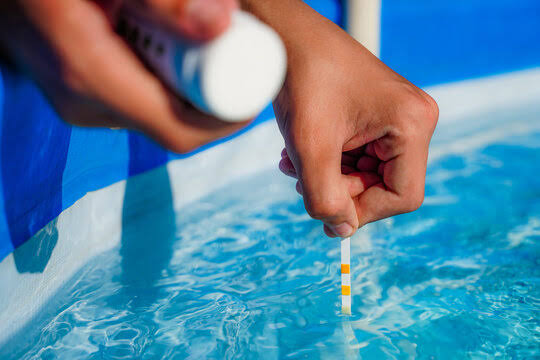
Chemical balancing isn't a "set it and forget it" routine, and it definitely isn't the same task in July as it is in January. North Texas homeowners who treat every season the same way often end up chasing problems that a seasonal adjustment would have prevented.
Spring: Rebuilding After Winter Drift
Spring is when pools typically need the most correction, chemistry has usually drifted during cooler months, and the first real heat of the season accelerates any existing imbalance quickly. Spring chemical balancing often involves a bigger initial adjustment than a normal weekly correction, especially if the pool wasn't checked much over winter.
Summer: Peak Demand, Peak Attention
North Texas summer heat is the most demanding season for pool chemistry. Chlorine breaks down faster in direct sun and high temperatures. Heavier pool usage introduces more contaminants from swimmers. This is the season where consistent, frequent testing matters most, since chemistry can shift meaningfully within just a few days if it's not monitored.
Fall: Managing the Transition
As temperatures start dropping, chlorine demand decreases somewhat, but fall also brings leaves and organic debris that can throw off chemistry if not managed. Fall balancing is about adjusting dosing down slightly from summer peak levels while staying alert to debris-related chemistry shifts.
Winter: Reduced but Not Eliminated Attention
North Texas winters are mild enough that pools rarely need to be fully shut down, but chemical balancing still matters, just less frequently. Cooler water uses chlorine more slowly, but algae can still develop, especially during unseasonably warm winter stretches. Periodic testing through winter prevents a nasty surprise come spring.
Why a Fixed Chemical Routine Doesn't Work Year-Round
Applying the same chlorine dose or testing frequency in January that you'd use in July either wastes product (over-treating in winter) or under-treats during peak summer demand. Chemical balancing that adjusts with the season keeps water consistently in range without over- or under-correcting.
How Professional Balancing Adapts Automatically
Professional pool chemical balancing accounts for seasonal shifts as a matter of course, adjusting dosing, testing frequency, and attention based on current conditions rather than applying a flat routine year-round. This is part of why professionally managed pools tend to have fewer surprise algae blooms or cloudy water episodes across seasonal transitions.

Want your pool chemistry managed properly through every season? Request your free consultation to get started.