
How Sunscreen and Body Products Affect Your Pool's Chemistry
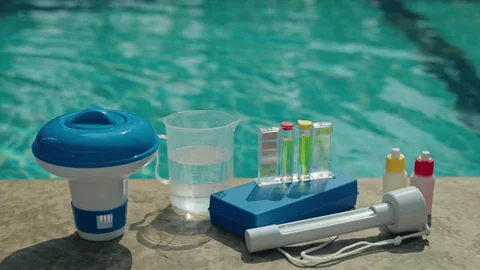
Every swimmer who enters the pool brings something with them beyond just their presence, sunscreen, lotions, body oils, hair products, and sweat all end up in the water to some degree. Individually, this might seem negligible, but across a season of regular pool use, particularly during busy summer months, these contributions genuinely affect chemical balance in ways worth understanding.
What Actually Enters the Water With Swimmers
Sunscreen and lotion residue. Even "water-resistant" sunscreen sheds some product into pool water over the course of a swim, along with any lotions or body products applied beforehand.
Body oils and sweat. These contain organic compounds that chlorine has to work to break down, similar to how it processes other organic contaminants in the water.
Hair and skin care products. Shampoo residue, styling products, and similar items rinse off in the water during swimming, adding to the overall organic load.
How This Organic Load Affects Chlorine Demand
All of these contaminants consume chlorine as it works to break them down, meaning higher bather load with more products introduced translates directly into higher chlorine demand. A pool that had a quiet week with minimal use needs less chlorine to stay balanced than the same pool after a weekend pool party with a dozen swimmers, all wearing sunscreen.
Why This Connects to Chloramine Formation
When chlorine combines with these organic contaminants, particularly nitrogen-containing compounds from sweat and body oils, it forms chloramines, the compounds responsible for that strong "chlorine smell" that's actually a sign of insufficient free chlorine relative to organic load, not too much chlorine. Heavy bather load with lots of product residue is a common contributor to chloramine buildup.
Why This Matters More During Peak Summer
North Texas summer months combine two factors that both increase chlorine demand from bather load: more people swimming more often, and more sunscreen use given the intensity of summer sun. This compounding effect is part of why chemical balance can shift faster during busy summer weekends than during quieter periods.
What This Means for Testing and Balancing Practices
Understanding that bather load and product use directly affect chlorine demand explains why testing more frequently after high-use periods, pool parties, weekends with lots of swimming, matters more than testing on a rigid, unchanging schedule regardless of actual use. A pool that just hosted a busy weekend gathering may need a different chemical approach than the same pool during a quiet week.
Practical Takeaways for Homeowners
While you can't (and shouldn't) ask guests to skip sunscreen, understanding this connection helps set realistic expectations around testing frequency after high-use periods, and explains chemistry shifts that might otherwise seem confusing or inconsistent.

Notice your pool chemistry shifting after busy weekends? Request your free consultation and let Pool Theory manage the fluctuations properly.