
Inside Your Pool Pump: What a Technician Actually Looks At
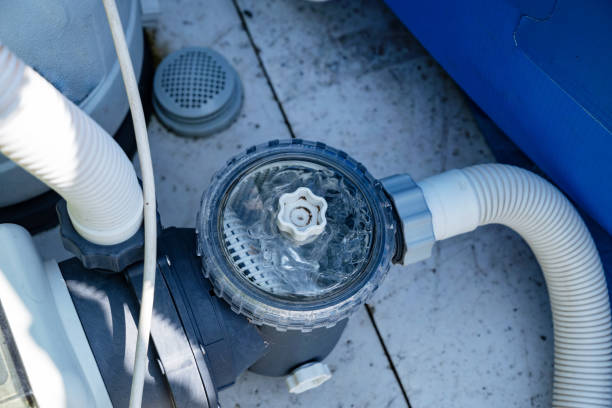
Pool pumps sit quietly at the equipment pad, and most homeowners never actually see inside one until something goes wrong. Understanding the basic internal components a technician examines during a repair visit demystifies what's actually happening during that service call.
The Motor: The Component Doing the Heaviest Work
The motor is what actually drives the pump, spinning the impeller that moves water through the entire system. A technician checks for excessive heat, unusual vibration, worn bearings producing grinding or squealing sounds, and confirms the motor is drawing the expected amount of electrical current for its rated output.
The Impeller: The Part That Actually Moves the Water
The impeller is the spinning component inside the pump housing that physically pushes water through the system. A technician inspects it for cracks, wear, or debris lodged within its blades, all of which reduce how effectively it can move water even if the motor itself is running fine.
The Seal: A Small Part That Causes Big Problems When It Fails
The mechanical seal prevents water from leaking out around the point where the motor shaft connects to the wet end of the pump. A worn seal is one of the most common sources of a small leak at the pump itself, and it's a relatively straightforward, affordable component to replace when caught before it causes bigger issues.
The Capacitor: A Small Component Frequently Responsible for a Pump That Won't Start
The capacitor helps provide the initial electrical boost needed to start the motor spinning. A failed capacitor is a remarkably common cause of a pump that hums but won't actually start, or that struggles noticeably on startup, and it's often a simpler, more affordable fix than homeowners initially fear when facing a "pump won't turn on" situation.
Why Seeing Inside the Pump Helps You Understand the Diagnosis
Understanding these basic components makes it much easier to follow along when a technician explains what they found, "the capacitor tested weak" or "the impeller had debris causing an imbalance" become concrete, understandable explanations rather than vague technical jargon.
Why a Proper Repair Visit Checks All of These, Not Just the Obvious Symptom
As discussed elsewhere regarding thorough diagnostic processes, a proper repair visit examines each of these components systematically rather than assuming the first thing checked is automatically the actual cause, ensuring the real issue gets addressed rather than just the most obvious guess.

Pump acting up and want a technician who checks everything properly? Request your free consultation and get a thorough diagnosis.