
Is Your Pool Problem an Emergency, or Can It Wait?
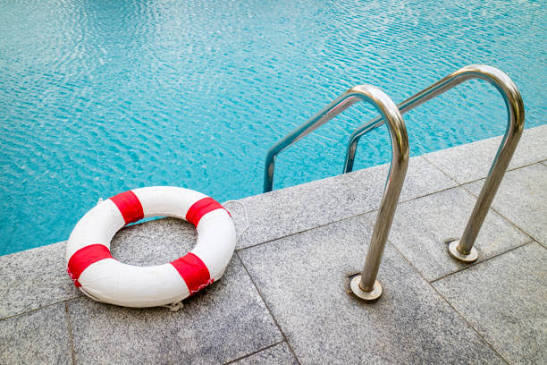
When something goes wrong with a pool, it's not always obvious whether it's a genuine emergency requiring immediate attention or something that can reasonably wait for a scheduled one-time cleaning or the next regular maintenance visit. Knowing the difference helps you make the right call without either overreacting or waiting too long on something that actually needed prompt attention.
Situations That Generally Qualify as Urgent
A pool that's turned green right before a planned event. With a fixed date approaching, time becomes a real constraint, and getting ahead of a green-to-blue recovery as soon as possible matters more than it would without an event deadline.
Equipment making unusual noises or showing signs of imminent failure. A pump that's grinding loudly or a heater with clear warning signs is often worth addressing promptly, since waiting risks the issue progressing from a repair to a full replacement.
Suspected significant water loss from a leak. Rapid, unexplained water level drops are worth investigating relatively quickly, both to address the water loss itself and to rule out damage to surrounding structures from a leak that's been running for a while.
Safety-related equipment issues. Anything involving electrical components, lighting, or automation systems controlling safety features, warrants prompt professional attention given the potential risk involved.
Situations That Can Generally Wait for a Scheduled Visit
Mild cloudiness without a specific deadline pressing. If water is slightly hazy but nothing urgent is prompting immediate use, this often resolves within the normal course of a scheduled visit or two without needing an emergency call.
Minor calcium buildup on tile. Tile cleaning is rarely time-sensitive in the way an equipment failure or algae bloom before an event might be, and can typically be scheduled at a convenient time.
General debris accumulation without an approaching event. Regular debris that's built up over a normal stretch of time is well-suited to routine one-time cleaning scheduled at your convenience, rather than requiring immediate attention.
Slightly elevated filter pressure with no other symptoms. If circulation and clarity still look reasonable, a filter due for cleaning can usually be worked into the next scheduled visit rather than treated as urgent.
Why This Distinction Matters for Both Cost and Outcome
Treating every minor issue as an emergency can mean paying premium rates unnecessarily, while treating a genuinely urgent issue as something that can wait risks the problem worsening into a bigger, more expensive fix, or in some cases, a longer stretch of time without a usable pool. Learning to tell the difference protects both your budget and your pool's condition.
What to Consider When You're Not Sure
If a situation doesn't clearly fall into either category, a few questions can help clarify things: Is there a fixed deadline (an event, guests arriving) creating time pressure? Is the issue actively getting worse, or has it been stable? Does it involve safety or electrical components? Answering these honestly usually points toward the right level of urgency.
When in Doubt, Ask
If you're genuinely unsure whether something needs immediate attention, a quick call to describe the situation is far more useful than guessing. A knowledgeable pool service can help you understand whether your specific situation calls for prompt action or can reasonably be scheduled for a routine visit.

Not sure if your pool issue needs urgent attention? Request your free consultation and get clarity on the right timeline.