
Is Your Pool Tile Damaged, or Is It Just Buildup? How to Tell the Difference
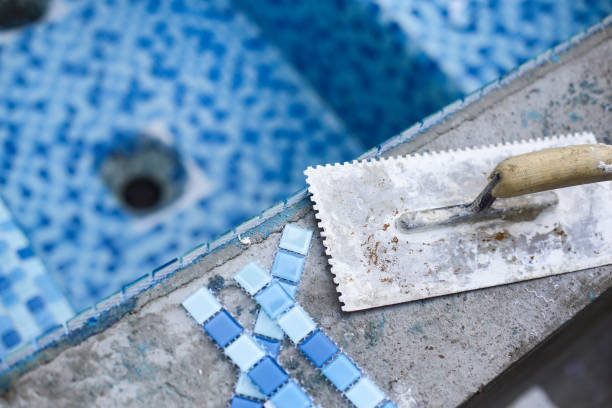
There's an important distinction homeowners often miss when looking at discolored or rough pool tile: is this something that can be cleaned off, or has the tile itself actually been damaged in a way that cleaning can't reverse? Getting this wrong, either assuming damage that's actually just buildup, or attempting to clean damage that needs replacement, can waste time and money in either direction.
What Mineral Buildup Actually Looks Like
Calcium and mineral buildup typically appears as a raised, textured layer sitting on top of the tile surface. It often has a chalky, white-to-gray appearance and a rough, gritty feel when you run a finger across it. Critically, buildup is sitting on the tile, not part of it, which is exactly why professional cleaning methods can remove it without harming what's underneath.
What Actual Tile Damage Looks Like
Real damage to tile itself presents differently. Etching looks like a dull, worn appearance where the tile's glaze or finish has been compromised, often from prolonged exposure to imbalanced water chemistry, particularly low pH over an extended period. Cracked or chipped tile is a physical break in the material itself, not a surface deposit. Discoloration that's actually staining into a porous material (rather than sitting on top) won't lift off no matter how thoroughly it's cleaned, because the color has penetrated the material itself.
Why This Distinction Matters for How You Approach It
Buildup responds to descaling and mechanical removal methods designed to lift mineral deposits off an intact surface without harming what's underneath.
Damage doesn't respond to cleaning at all, no matter how aggressive or specialized the method, because there's nothing sitting on top to remove. Attempting to "clean" actual damage often just results in more aggressive scrubbing that risks making the underlying damage worse.
A Simple Way to Test the Difference Yourself
Gently running a fingernail or soft cloth across the affected area can offer a rough first read. If it feels like a textured layer that could potentially be scraped or lifted, that's more consistent with buildup. If the surface feels smooth but visually dull, worn, or etched, with no textured layer to lift off, that leans more toward actual surface damage. This isn't a definitive diagnosis, but it's a reasonable first indication before bringing in a professional evaluation.
Why Getting This Wrong Costs Money Either Way
Assuming tile is damaged when it's actually just heavy buildup can lead homeowners to consider a full retile or resurface project that isn't actually necessary, a significant unnecessary expense. On the flip side, assuming damage is just cleanable buildup and attempting repeated aggressive cleaning attempts on tile that's genuinely etched or cracked wastes money on cleaning services that were never going to solve the actual problem.
Why a Professional Evaluation Settles It
A trained technician can distinguish between buildup and damage quickly and accurately, since they've seen the difference across hundreds of pools and know what each condition actually looks and feels like up close. That evaluation tells you definitively whether you're looking at a cleaning job or a bigger conversation about resurfacing or replacement.

Not sure if your tile is stained or actually damaged? Request your free consultation and get a clear, honest answer.