
Pool Automation Not Responding? Common Fixes Before You Panic
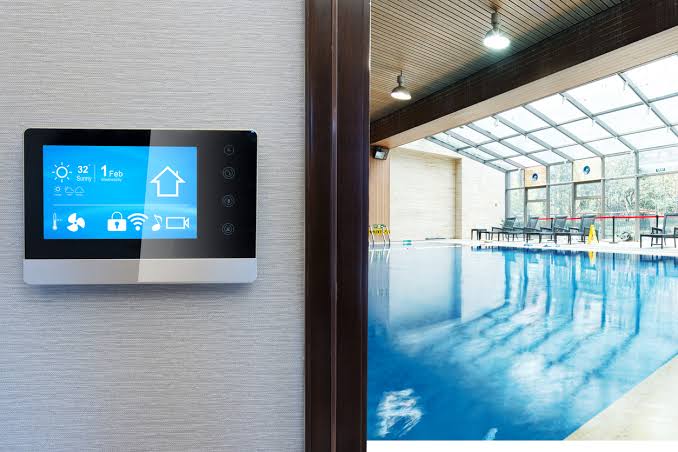
Pool automation systems make life easier, until they stop responding and suddenly nothing seems to work the way it should. Before assuming a major failure, it helps to know the most common reasons automation systems act up, since a lot of these issues are more straightforward to fix than they seem.
Common Reasons Pool Automation Stops Responding
Connectivity issues. For systems controlled via Wi-Fi or a home network, a dropped connection or router issue can make the system appear broken when it's actually a network problem, not an equipment failure.
Control board malfunctions. The control board acts as the brain of the automation system. A malfunctioning board can cause commands to not register at all, or to trigger the wrong equipment.
Sensor failures. Automation systems rely on sensors to read water temperature, flow, and other conditions. A failed sensor can cause the system to behave unpredictably, even if the core equipment (pumps, heaters) is functioning fine.
Power or wiring issues. Loose connections, tripped breakers, or wiring damage can interrupt communication between the control panel and the equipment it's meant to operate.
Outdated firmware or software. Some automation systems require periodic updates, and outdated software can cause glitches or unresponsive commands.
What to Check Before Calling for Repair
- Confirm the control panel has power and is displaying normally
- Check if a simple restart of the system resolves the issue
- Verify network connectivity if the system is app or Wi-Fi controlled
- Look for any visible error codes on the display panel
Why Automation Repairs Need a Trained Technician
Automation systems tie together multiple pieces of equipment, pumps, heaters, valves, lighting, meaning a single malfunction can sometimes look like several unrelated problems at once. Diagnosing whether the issue is the control board, a sensor, wiring, or the connected equipment itself requires systematic testing, not just replacing parts based on a guess.
Why Ignoring It Doesn't Make It Better
Unresponsive automation isn't just inconvenient, it can mean equipment running on default settings that don't match your pool's actual needs, or safety features not functioning as intended. Getting it properly diagnosed sooner rather than later prevents both convenience issues and potential equipment strain from running outside normal parameters.

Automation acting up and not sure why? Request your free consultation and get it properly diagnosed.