
Pool Chemical Balancing: Why Your Water Never Feels Right
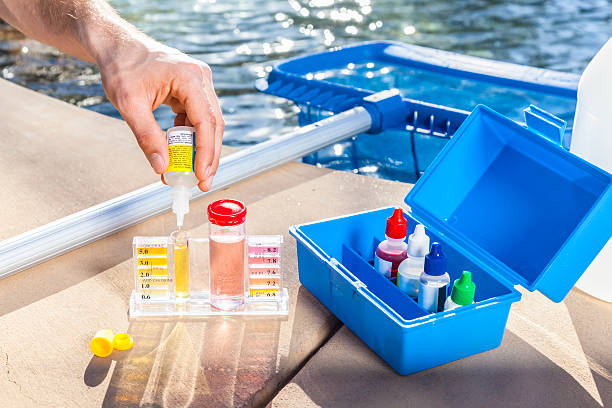
If your pool water always feels a little off, cloudy one day, itchy on your skin the next, chlorine smell too strong, or barely there, the issue almost always comes back to pool chemical balancing. It's one of the most overlooked parts of pool care, and also one of the most important.
What Pool Chemical Balancing Actually Involves
Balanced pool water isn't just about chlorine level. Proper chemical balancing accounts for several factors working together:
- pH level, which affects how well chlorine works and how comfortable the water feels
- Chlorine level, the primary sanitizer keeping bacteria and algae under control
- Total alkalinity, which keeps pH from swinging wildly
- Calcium hardness, which affects both water feel and long-term tile and surface condition
- Stabilizer (cyanuric acid), which protects chlorine from breaking down too fast in direct sunlight
Get one of these out of balance, and the others tend to follow. High pH makes chlorine less effective. Low alkalinity causes pH to swing unpredictably. It's a system, not a single number.
Why This Matters More in North Texas
Texas heat accelerates chlorine breakdown, meaning pools here lose sanitizer faster than pools in cooler climates. Add in hard water common across North Texas, and calcium levels drift upward more easily too. Without regular testing, it's easy for a pool to look clear while chemistry is quietly drifting toward algae growth or scale buildup.
Signs Your Pool's Chemical Balance Is Off
- Eyes or skin feel irritated after swimming, even with normal chlorine smell
- Water looks slightly hazy despite regular cleaning
- Chlorine seems to disappear within a day or two
- Metal fixtures or ladders show early rust or corrosion
- Scale starting to form at the waterline
Why Professional Balancing Beats Test Strips
At-home test strips give a rough read, but professional pool chemical balancing uses precise testing that accounts for how these levels interact. It's the difference between guessing and knowing exactly what your water needs, and adjusting it correctly the first time instead of overcorrecting and creating a new imbalance.
Consistent chemical balancing protects more than comfort. It protects your equipment from corrosion, your tile from calcium scale, and your swimmers from irritation, all at once.

Not sure if your water's actually balanced? Request your free consultation and let Pool Theory test it properly.