
Pool Filter Cleaning: The Maintenance Step Homeowners Skip Most
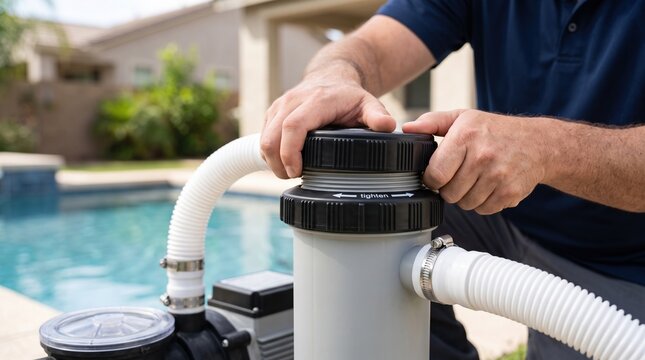
Cloudy water, high filter pressure, and a pump that seems to be working harder than usual are three of the most common signs pointing back to one thing: it's time for pool filter cleaning. It's easy to overlook because the filter is out of sight, but a dirty filter affects almost everything else about how your pool performs.
What a Pool Filter Actually Does
Your filter is responsible for catching dirt, debris, oils, and small particles as water circulates through your system. Over time, that debris builds up inside the filter media, cartridge, or grid, restricting flow. A clogged filter doesn't just filter less effectively, it forces your pump to work harder to push water through, which raises energy use and accelerates equipment wear.
Signs You Need Pool Filter Cleaning
- Filter pressure gauge reading higher than normal
- Reduced water flow from jets and returns
- Water that looks hazy despite balanced chemicals
- Longer run times needed to keep water clear
- Visible debris or short cycle times between backwashes (for sand or DE systems)
Why Regular Filter Cleaning Matters
A clean filter is one of the simplest ways to protect your entire pool system. Poor circulation caused by a dirty filter makes it harder for chemicals to distribute evenly, which can lead to algae in low-flow areas even when overall chlorine levels look fine. It also means your pump is working against resistance constantly, shortening its lifespan.
Pool filter cleaning frequency depends on filter type, cartridge filters typically need attention more often than sand or DE systems, but general debris load, tree coverage, and pool usage all play a role too. A pool surrounded by trees in Southlake or Flower Mound will need more frequent filter attention than one with less overhead coverage.
What Professional Pool Filter Cleaning Includes
A proper service goes beyond a quick rinse. It typically involves fully removing built-up oils, debris, and mineral deposits from filter media, inspecting for damage or wear, and confirming the filter is reassembled and functioning at full capacity before moving on. Rinsing alone often leaves behind oils and fine debris that keep pressure elevated even after cleaning.
Keeping filters clean is one of the most cost-effective ways to protect water clarity and equipment life at the same time.

Notice your filter pressure creeping up? Request your free consultation and let Pool Theory get your system flowing right again.