
Pool Heater Not Working? Here's What's Usually Going On
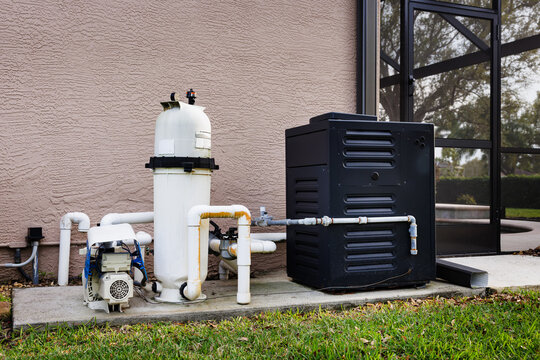
A pool heater that won't turn on, or one that runs but doesn't actually heat the water, is one of the more frustrating equipment issues homeowners deal with, especially heading into cooler months when you actually want to use it. Most heater problems fall into a handful of common categories.
Common Reasons a Pool Heater Won't Turn On
No ignition. Gas heaters that won't ignite often have an issue with the igniter itself, a dirty or faulty pilot assembly, or a gas supply problem preventing the burner from lighting.
Thermostat issues. If the heater runs but doesn't reach the set temperature, or shuts off before heating fully, a faulty thermostat or temperature sensor is a common cause.
Insufficient water flow. Heaters typically have safety switches that prevent operation if water flow through the system is too low, often caused by a clogged filter or a valve that isn't positioned correctly.
Electrical or control board issues. For heaters tied into pool automation systems, a control board malfunction can prevent the heater from receiving the signal to turn on at all, even if the heater itself is mechanically fine.
Gas supply problems. For gas heaters, insufficient gas pressure or a closed valve upstream of the heater can look like a heater failure when the actual issue is with gas delivery.
Why Heaters Trip Off Mid-Cycle
A heater that starts, runs for a bit, and then shuts off is often triggering a safety feature, usually related to water flow, overheating protection, or a pressure switch detecting something outside normal range. This is the system protecting itself, which means the underlying cause needs to be identified rather than just restarting the heater repeatedly.
What Homeowners Can Check Before Calling for Repair
- Confirm the gas supply is on (for gas heaters) and nothing upstream is blocking it
- Check that the filter isn't severely clogged, restricting water flow to the heater
- Verify the thermostat setting is actually above current water temperature
- Look for any visible error codes on digital heater displays
Why Heater Repairs Should Go to a Professional
Gas heaters involve combustion and gas lines, and electrical heaters involve high-voltage components, both of which carry real risk if handled incorrectly. Beyond safety, heater systems have multiple safety switches and sensors working together, and diagnosing which one is actually causing the problem requires testing each component systematically rather than guessing.

Heater not working right? Request your free consultation and get it diagnosed and repaired properly.