
Pool pH Imbalance: What It Means and Why It Matters So Much
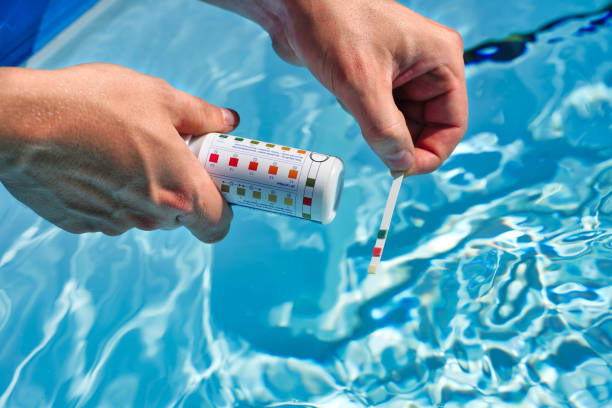
Of all the numbers involved in pool chemistry, pH tends to get the least attention, even though it affects almost everything else about how your pool performs. If you've ever wondered why your chlorine "doesn't seem to work" despite testing at the right level, pH imbalance is often the hidden reason.
What pH Actually Measures
pH measures how acidic or basic your pool water is, on a scale where 7 is neutral. Pool water should generally sit between 7.2 and 7.8, slightly basic, which is the range where chlorine works most effectively and swimmers are most comfortable.
Why pH Imbalance Causes So Many Downstream Problems
High pH makes chlorine less effective. When pH climbs above the ideal range, chlorine's ability to sanitize the water drops significantly, even if the actual chlorine level tests fine. This is one of the most common reasons pools seem to struggle with algae or cloudiness despite "normal" chlorine readings.
Low pH accelerates corrosion and irritation. Water that's too acidic can corrode metal equipment, damage certain pool surfaces over time, and cause noticeably uncomfortable swimming conditions, stinging eyes, dry skin.
pH swings affect calcium behavior. Unstable pH makes it harder to predict how calcium will behave in the water, contributing to either scaling (calcium coming out of solution and depositing on surfaces) or, less commonly, etching of pool surfaces.
What Causes pH to Drift
- Heavy rain, which is typically slightly acidic and lowers pH when it enters the pool
- Certain chlorine products that naturally push pH up or down depending on their formulation
- High bather load, since sweat and body oils can shift pH over time
- Total alkalinity being out of range, which makes pH swing more dramatically and less predictably
Why Total Alkalinity and pH Are Connected
Total alkalinity acts as a buffer for pH, keeping it from swinging wildly in response to normal pool use. When alkalinity is too low, pH becomes unstable and hard to keep in range even with regular adjustments. When alkalinity is too high, it can make correcting pH slower and more difficult. This is why proper chemical balancing treats these two numbers together rather than adjusting one in isolation.
How Professional Testing Catches What At-Home Kits Miss
Basic test strips give a rough pH reading, but they don't always capture how alkalinity, calcium, and pH are interacting together. Professional pool chemical balancing accounts for the full picture, adjusting pH in a way that holds steady instead of needing constant correction after every test.
The Real Cost of Ignoring pH
An out-of-range pH doesn't just make the water feel slightly off. It undermines your chlorine's effectiveness, accelerates equipment wear, and sets the stage for algae growth even when other numbers look fine on paper. Getting pH dialed in correctly, and keeping it there, is one of the most underrated ways to keep a pool consistently clear and comfortable.

Chlorine not working like it should? Request your free consultation and get your full water chemistry checked, pH included.