
Pool Pump Repair vs. Replacement: How to Know Which You Need
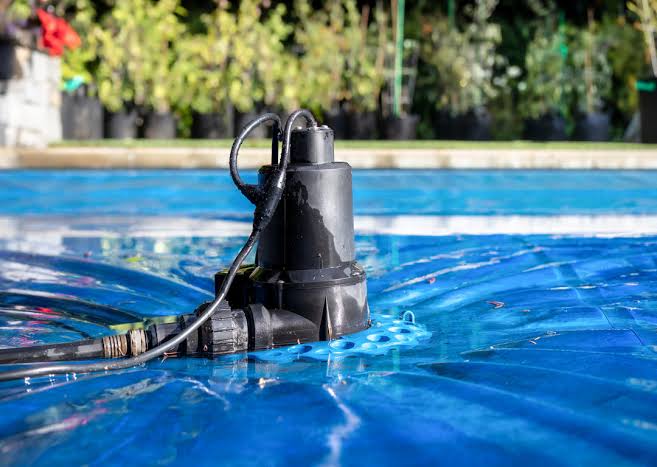
A struggling pool pump puts homeowners in an awkward spot: is this a quick fix, or is it time for a whole new pump? Making the wrong call in either direction costs money, either through paying for a repair that doesn't hold, or replacing a pump that could have been fixed for a fraction of the cost.
Signs That Usually Mean Repair
A single, isolated issue. If the pump is otherwise running fine but has one specific problem, a failed capacitor, a worn seal causing a minor leak, a clogged impeller, that's typically a straightforward and affordable repair.
The pump is relatively young. Pumps under 5 years old with a specific, diagnosable issue are almost always worth repairing rather than replacing, since the motor and core components still have plenty of useful life left.
Noise without performance loss. Some noise issues, especially bearing-related sounds, can be repaired without needing to replace the entire unit, as long as they're caught before the bearing failure damages the motor itself.
Signs That Usually Mean Replacement
The pump is old and repairs keep coming up. Once a pump is past the 8 to 10 year mark and needs frequent attention, repair costs start adding up to more than a new, more efficient pump would cost over the same time period.
Motor failure. A pump motor that's burned out or seized is typically not cost-effective to repair, since motor replacement often costs close to what a new pump would.
Repeated overheating or tripping. A pump that keeps overheating or tripping breakers despite repairs usually points to a deeper issue that a single repair won't resolve long-term.
Inefficiency, even if it's still running. Older single-speed pumps run at full power constantly and use significantly more energy than modern variable-speed models. Sometimes a pump that's technically still working is still worth replacing for the energy savings alone.
The Cost Comparison Homeowners Should Actually Make
It's not just repair cost versus replacement cost in isolation. The real comparison should include: how much life is left in the current pump, how much energy an old pump is wasting compared to a modern one, and how likely additional repairs are in the near future. A $150 repair on a pump that fails again in six months isn't actually cheaper than a $600 replacement that lasts another decade.
Why Diagnosis Matters More Than Guessing
The right answer depends entirely on what's actually wrong, which is why a proper diagnosis matters before deciding either way. Pool equipment repair should start with identifying the exact cause, not just assuming the worst (or the best) based on age or a single symptom.
What a Professional Repair Visit Should Tell You
A thorough pool equipment repair visit should leave you with a clear picture: what's wrong, what it would cost to fix, whether that fix is likely to hold long-term, and how that compares to simply replacing the unit. That honest breakdown is what actually helps homeowners make the right call, rather than defaulting to the more expensive option out of uncertainty.

Not sure if your pump needs a repair or a replacement? Request your free consultation and get a straight answer.