
Pool Safety Tips Every North Texas Family Should Know
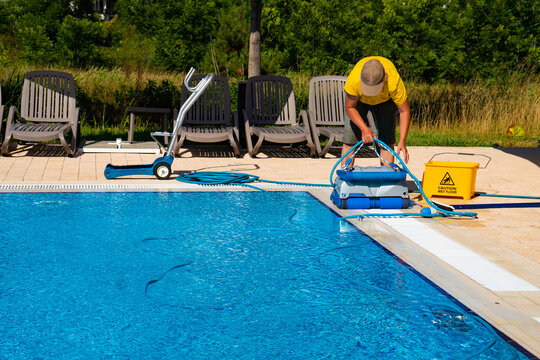
Pool safety usually brings to mind fences and supervision, and those absolutely matter, but there's a whole category of pool safety tied directly to water quality and equipment condition that gets overlooked. A pool that's not properly maintained introduces risks that go beyond drowning prevention alone.
Water Quality and Safety
Improperly balanced chemicals pose real health risks. Low chlorine allows bacteria and pathogens to survive in the water. High chlorine or imbalanced pH can cause skin and eye irritation, especially for children with more sensitive skin. Regular water testing isn't just about clarity, it's a direct safety measure.
Algae isn't just unsightly, it can be hazardous. Beyond looking unpleasant, algae growth can make pool surfaces slippery, particularly on steps and shallow areas where kids spend the most time.
Cloudy water hides depth perception. Even mild cloudiness makes it harder to see the bottom of the pool clearly, which matters significantly for supervising young or inexperienced swimmers.
Equipment Safety Considerations
Drain covers and suction points need regular inspection. Damaged or missing drain covers create entrapment hazards, particularly for children. This is a straightforward but critical part of routine pool system inspections.
Electrical equipment needs professional attention. Pool lights, pumps, and any electrical components near water should only be serviced by trained technicians. DIY electrical work around pools carries real risk.
Loose or damaged tile and decking are trip hazards. Calcium buildup and deteriorating grout don't just look bad, they can create uneven, slippery surfaces around the pool edge.
Practical Safety Habits for Families
- Test water regularly, especially before pool parties or extended family swim days
- Keep a consistent maintenance schedule so equipment issues are caught before they become hazards
- Address any slippery or uneven surfaces around the pool promptly
- Make sure kids understand basic pool rules, no diving in shallow areas, no running on wet decking
- Keep rescue equipment accessible and in good condition
Why Consistent Maintenance Is a Safety Measure, Not Just a Cleanliness One
It's easy to think of pool maintenance purely in terms of appearance, clear water, no algae, no calcium buildup. But a well-maintained pool is also a safer pool: balanced chemistry protects skin and eyes, clean equipment reduces entrapment and electrical risks, and well-kept surfaces prevent slips. Families with pools benefit from thinking about maintenance as part of their overall safety routine, not a separate concern.

Want peace of mind that your pool is safe as well as clean? Request your free consultation and get a full system check.