
Pool System Inspections: Catch Problems Before They Cost You
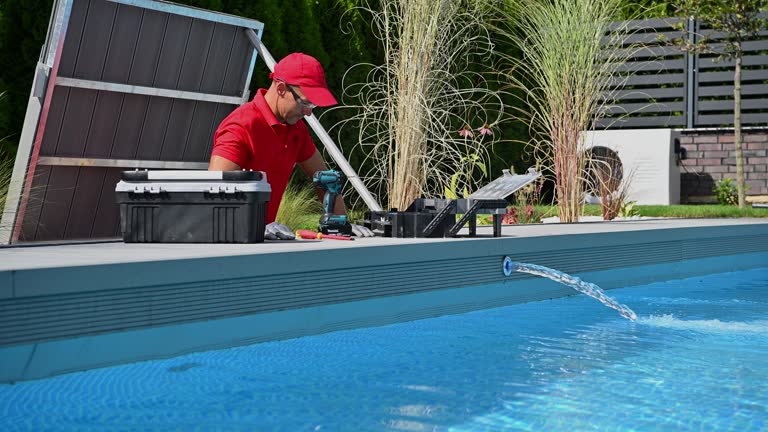
Most pool repairs don't happen out of nowhere. There's usually a warning sign weeks or months earlier, a small pressure change, a slight noise, a minor leak, that gets missed because nobody was looking for it. That's exactly what pool system inspections are designed to catch.
What a Pool System Inspection Covers
A thorough inspection looks at the entire system, not just the parts that are obviously visible:
- Pump and motor performance, checking for unusual noise, vibration, or reduced output
- Filter condition and pressure, confirming the system is filtering effectively
- Plumbing and valves, looking for slow leaks, corrosion, or valves not seating properly
- Circulation system, verifying water is flowing evenly through the entire pool
- Heater and automation systems, testing that controls and safety features function correctly
- Visible structural issues, cracks, tile separation, or surface wear that could worsen over time
Why Homeowners Search for Pool System Inspections
Most requests come from one of two places: buying a new home with a pool and wanting to know exactly what condition it's in, or noticing something that feels slightly off, like slightly higher water bills, a pump that sounds a bit different, without an obvious cause yet.
Both are valid reasons, and both benefit from the same answer: a full inspection gives clarity instead of guesswork.
Why Inspections Save Money Long-Term
Pool equipment rarely fails without warning. A pump bearing that's starting to wear, a valve that's not sealing completely, a slow leak in a fitting, these all show measurable signs before they become full failures. Catching them during an inspection turns a potential thousand-dollar repair into a much smaller, planned fix.
For homeowners who just purchased a home in Westlake, Southlake, Argyle, Northlake, or Flower Mound, a system inspection is one of the smartest first moves. It tells you exactly what you're working with, what needs attention now, and what can wait, instead of finding out the hard way during peak swim season.
How Often Should a Pool Be Inspected?
An annual inspection is a reasonable baseline for most pools, with additional inspections anytime something feels off, water bills spike unexpectedly, or before/after major weather events. Pools on a weekly maintenance plan already get ongoing informal inspection built into every visit, which is part of why consistent service catches problems so much earlier than occasional care.

Want a clear picture of your pool's condition? Request your free consultation and get a full system inspection from Pool Theory.