
Pool Tile Grout: The Part of Your Tile Line Everyone Forgets
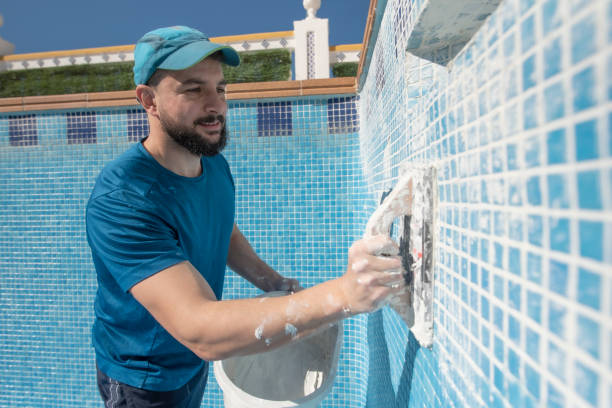
When homeowners think about pool tile cleaning, attention almost always goes to the tile itself, the visible calcium buildup, the discoloration, the mineral crust at the waterline. Grout, the material filling the gaps between individual tiles, gets far less consideration, despite being just as susceptible to buildup and degradation over time.
Why Grout Is Actually More Vulnerable Than Tile
Grout is typically more porous than the tile it surrounds, meaning it absorbs and holds minerals, moisture, and even biological growth more readily than the smoother, often glazed tile surface itself. This porosity means grout can develop discoloration, buildup, and even minor structural erosion faster than the tile it's sitting between.
What Can Go Wrong With Pool Tile Grout
Calcium buildup within the grout lines. Just like tile surfaces, grout accumulates mineral deposits over time, and because of its more porous, textured nature, this buildup can actually be more difficult to fully remove than buildup on smooth tile.
Grout discoloration from algae or mildew. In shaded areas or spots with less water movement, grout can develop dark discoloration from algae or mildew growth taking hold in its more porous surface, something that's less common on the smoother, less absorbent tile itself.
Gradual erosion or crumbling. Over years of exposure to pool chemicals and water, grout can slowly erode or crumble, particularly if chemistry has been imbalanced for extended periods. This creates gaps where water and minerals penetrate even more deeply, potentially affecting the stability of nearby tile.
Why Cleaning Tile Without Addressing Grout Is an Incomplete Job
A cleaning service that focuses entirely on the visible tile surface while ignoring grout condition leaves buildup and potential degradation in the grout lines unaddressed, meaning the overall waterline area doesn't get fully restored even if the tile itself looks noticeably better afterward.
What Proper Grout Care Involves
Thorough pool tile cleaning should include attention to grout lines specifically, using methods and products that address buildup within the more porous grout material without accelerating its erosion. In cases where grout has already significantly degraded, regrouting may be necessary as a separate but related service to fully restore the tile line's appearance and function.
Why Grout Condition Affects More Than Just Looks
Beyond appearance, significantly eroded or damaged grout can affect how well tiles stay adhered and can allow water infiltration behind the tile line over time, potentially leading to more involved repair needs down the line if left unaddressed for too long.
What to Look for During Your Own Inspection
Running a finger along grout lines, checking for rough or receding texture, discoloration that doesn't respond to normal rinsing, or any crumbling material, gives a reasonable first indication of whether grout needs professional attention alongside standard tile cleaning.

Noticed your grout looking rough or discolored, not just the tile? Request your free consultation and get the whole waterline properly addressed.