
Pool Tile Stains: How to Tell What You're Actually Dealing With
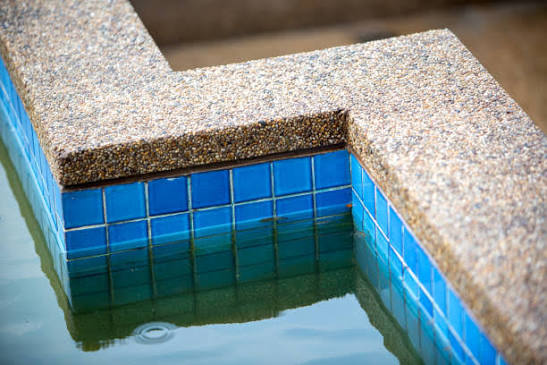
Not every mark on pool tile is calcium buildup, and treating the wrong stain with the wrong method can make things worse instead of better. Before scrubbing or reaching for a cleaner, it helps to know what you're actually looking at.
The Most Common Types of Pool Tile Stains
White, chalky, or crusty buildup (calcium scale). This is the most common issue, especially in North Texas where hard water is standard. It typically forms right at the waterline and has a rough, gritty texture.
Rust-colored or brown stains (metal staining). Usually caused by iron or other metals in the water supply, or from corroding equipment, metal stains tend to look reddish-brown and don't respond to calcium-removal methods.
Dark green or black stains (organic or algae staining). These often indicate algae that's dried onto the tile surface, common in pools that have had a green pool episode in the past, even after the water itself was treated.
Gray or dull discoloration (general mineral buildup). Less severe than calcium scale but still a sign of mineral content settling on tile surfaces over time.
Why Identifying the Stain Type Matters
Calcium scale generally responds to descaling methods designed for mineral removal. Metal stains need different treatment entirely, often requiring a metal-specific stain remover or sequestering agent, since standard descaling won't touch them. Using the wrong method wastes time and, in some cases, can drive certain stains deeper into porous tile or grout.
Why Some Stains Come Back Faster Than Others
If calcium scale keeps returning within months of cleaning, that usually points to ongoing chemical imbalance, specifically calcium hardness or pH that isn't being consistently managed between cleanings. Metal staining that reappears often means there's an ongoing source, aging equipment leaching metal into the water, that needs to be addressed at the equipment level, not just the tile.
When to Call a Professional Instead of DIY
Stains that don't respond to normal brushing, cover a large area, or have been present for an extended period are usually past the point where DIY methods are effective, and can risk tile damage if approached with the wrong product or too much abrasion. Professional pool tile cleaning identifies the specific stain type and treats it accordingly, without risking the tile's surface or finish.

Not sure what's causing your tile stains? Request your free consultation and get it properly identified and cleaned.