
Preparing Your Pool for a Buyer's Home Inspection
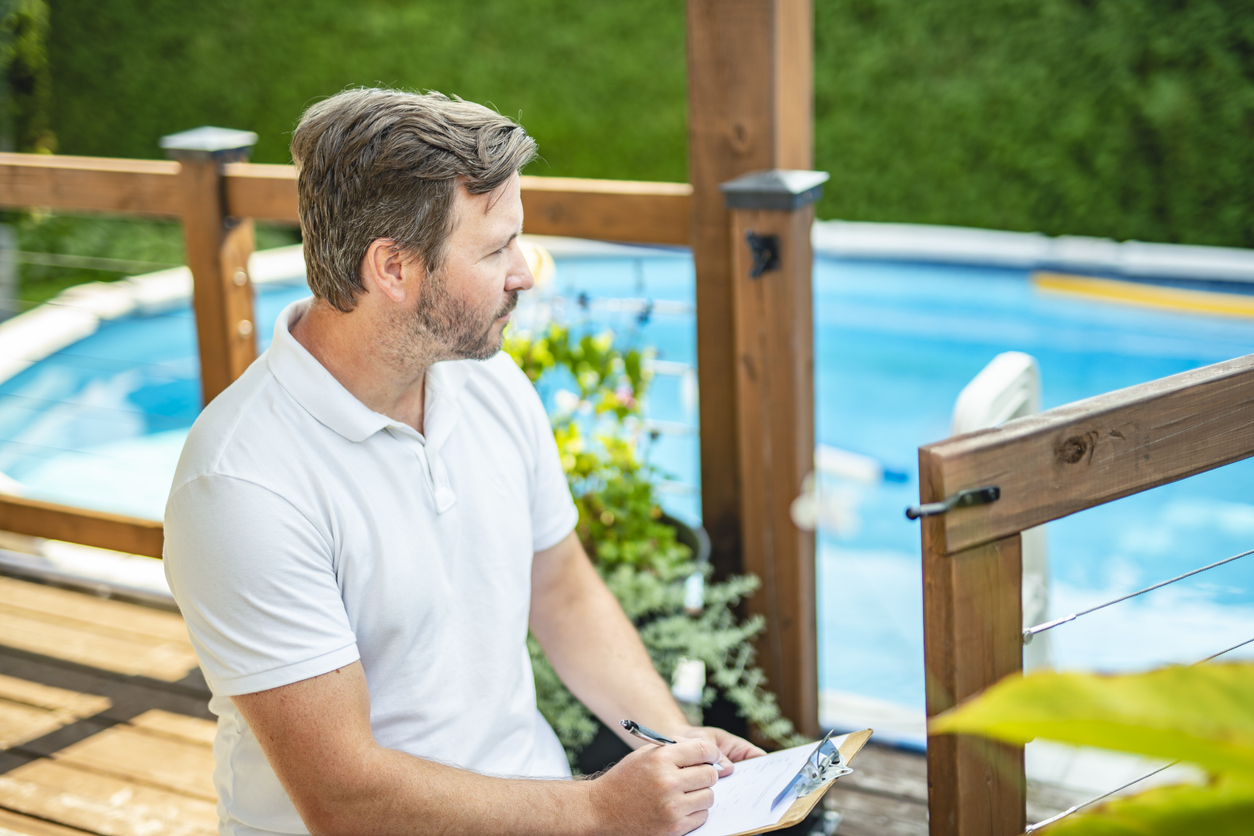
When selling a home with a pool, preparing for the buyer's home inspection deserves specific attention beyond general staging and cleaning. A pool that's clean, functioning properly, and free of obvious concerns helps the inspection process go smoothly, rather than raising questions that could complicate negotiations.
Why Inspectors Pay Attention to Pool Condition
While general home inspectors typically aren't pool specialists, as discussed elsewhere, they still assess basic pool condition and functionality as part of a standard inspection, checking whether the pool holds water, whether equipment appears to turn on and run, and noting any obvious visible issues with surfaces, decking, or safety features.
What to Address Before the Inspection
Water clarity and general cleanliness. A visibly clean, clear pool presents better and avoids raising unnecessary questions compared to one that's cloudy or has visible debris, even if the underlying issue is minor and easily resolved.
Obvious equipment issues. Any visibly malfunctioning equipment, a pump that clearly isn't running, a heater with obvious problems, should ideally be addressed before the inspection rather than allowing an inspector to flag something that could have been resolved beforehand.
Safety-related items. Drain covers, pool fencing or gates (where applicable), and any other safety-related features should be confirmed as properly installed and functional, since these often receive specific attention during a general home inspection.
Visible tile or surface issues. While minor cosmetic buildup isn't typically a major inspection concern, more significant visible issues, cracking, obvious deterioration, are worth understanding and addressing or at least being prepared to discuss before the inspection.
Why a One-Time Cleaning Before the Inspection Makes Sense
Scheduling a professional one-time pool cleaning shortly before the scheduled inspection ensures the pool presents in genuinely good condition rather than whatever state it happens to be in without specific preparation, reducing the chance of the inspection flagging something that a simple cleaning would have resolved.
What to Do If You're Aware of an Underlying Issue
If you're aware of a specific equipment or structural issue beyond what routine cleaning addresses, deciding whether to proactively repair it before the inspection or disclose it and let the inspection process surface it naturally is a decision worth discussing with your real estate agent, since disclosure requirements and strategic considerations vary by situation.
Why This Preparation Protects the Overall Sale Timeline
An inspection that flags pool issues, even relatively minor ones that a cleaning would have prevented, can introduce delays or negotiation friction that a bit of proactive preparation could have avoided entirely, making this a worthwhile step in your overall pre-sale preparation process.

Preparing for a buyer's inspection and want your pool presenting well? Request your free consultation and get it ready beforehand.