
Should You Get a Second Opinion on a Major Pool Repair?
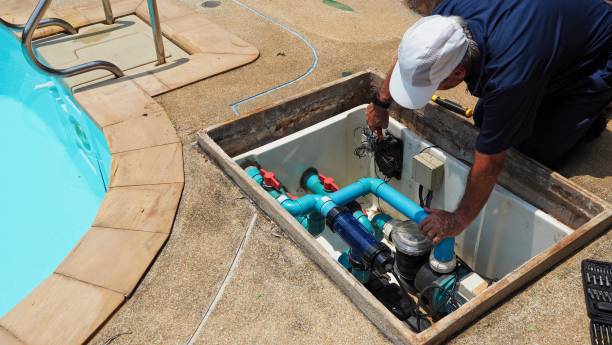
When facing a significant, costly pool equipment repair recommendation, particularly one suggesting full replacement of expensive equipment, it's a reasonable instinct to wonder whether a second opinion is worth pursuing before committing to the expense.
When a Second Opinion Genuinely Makes Sense
For unusually large or unexpected repair recommendations. If a recommendation involves a significantly larger expense than you were anticipating, particularly for equipment that hasn't shown obvious prior warning signs, a second opinion can help confirm whether the full scope of work is genuinely necessary.
When replacement is recommended for relatively young equipment. If equipment well within its typical expected lifespan is being recommended for full replacement rather than repair, understanding the specific reasoning, and potentially getting a second perspective on whether repair might be a viable alternative, is a reasonable step.
When you're not clear on why a specific repair approach was chosen. If the explanation for a recommended repair doesn't feel clear or sufficiently detailed, and a follow-up conversation doesn't resolve that, a second opinion can provide additional clarity or confirm the original assessment.
When a Second Opinion Is Less Necessary
For straightforward, relatively low-cost repairs. Routine, lower-stakes repairs generally don't warrant the additional time and potential cost of a second assessment, since the financial risk of getting it slightly wrong is limited.
When you already have an established, trusted relationship with your provider. If you've worked with the same pool service consistently and they've demonstrated honest, accurate recommendations over time, as evidenced by documented history and past interactions, the need for a second opinion on any single recommendation is naturally reduced.
For equipment clearly at or beyond its expected lifespan showing multiple symptoms. When equipment is old and showing several converging signs of failure, motor age, repeated prior issues, visible wear, a straightforward replacement recommendation is less likely to benefit meaningfully from a second opinion, since the situation is relatively clear-cut.
How to Get a Useful Second Opinion
If you do pursue a second opinion, providing the same information to the second provider, symptoms, any prior repair history, current equipment age, without leading them toward the first assessment's conclusion, gives you the most genuinely independent perspective for comparison.
What to Do If Two Opinions Disagree
If a second opinion genuinely differs from the first, it's worth understanding specifically where the disagreement lies, is it about the root cause diagnosis, the recommended fix, or simply a different philosophy about repair versus replacement at this equipment's age, since that specific point of disagreement often clarifies which recommendation makes more sense for your situation.
Why This Doesn't Need to Feel Adversarial
Seeking a second opinion on a significant repair decision is a normal, reasonable consumer practice, not an accusation against your existing provider, and a confident, honest pool service shouldn't take reasonable due diligence on a major expense personally.

Facing a significant repair decision and want a straightforward, honest assessment? Request your free consultation and get Pool Theory's take.