
Simple Pool Checks You Can Do Yourself Between Professional Inspections
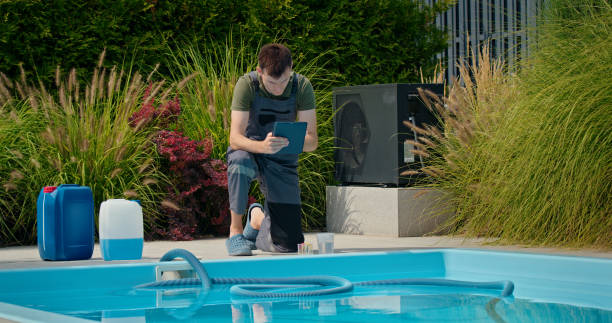
Professional pool system inspections are valuable for a thorough, comprehensive evaluation, but there are also simple checks homeowners can reasonably perform themselves between professional visits, helping catch early warning signs without needing specialized training or equipment.
Basic Visual and Sensory Checks
Listening for unusual pump sounds. Getting familiar with what your pump normally sounds like during operation makes it easier to notice a new grinding, humming, or rattling sound that might indicate an early developing issue worth having checked.
Watching water flow at return jets. Periodically observing whether return jet pressure seems consistent with what you're used to seeing can help catch a gradual decline in circulation before it becomes a significant problem.
Checking for wet spots around the equipment pad or yard. A quick visual scan for unexpected dampness near equipment or in the yard can be an early indicator of a developing leak, worth investigating further if noticed.
Observing water level over a few days. Tracking whether water level seems to be dropping faster than normal evaporation would explain (accounting for weather) can be a simple, informal way to catch a potential leak early.
What to Watch For With Water Clarity
Noticing whether water seems to be trending toward hazier or less clear than usual, even subtly, over the course of a week or two can flag a chemistry or filtration issue worth having a professional look into before it progresses further.
Checking Filter Pressure Gauges
If your system has a visible pressure gauge, periodically checking the reading against what's typical for your specific filter (established during past professional service) can help you notice when a cleaning might be due before performance issues become obvious in the water itself.
What Homeowner Checks Can't Replace
These informal checks are useful for catching some early warning signs, but they don't replace the depth of a proper professional inspection, which includes precise testing, hands-on equipment evaluation, and trained assessment of components that aren't easily evaluated through casual observation, plumbing condition, motor performance specifics, structural surface assessment.
Why This Combination Works Well
Homeowner awareness between visits, combined with periodic professional inspections, creates a more complete safety net than relying entirely on either approach alone. Catching an obvious symptom yourself between scheduled inspections means you can flag it for prompt professional attention, rather than waiting for the next scheduled visit if something seems clearly off in the meantime.
What to Do If You Notice Something During Your Own Checks
If any of these informal checks reveal something that seems off, an unusual sound, unexpected water loss, declining clarity, it's reasonable to reach out for a professional evaluation rather than waiting for a regularly scheduled service, especially if the observation seems like a meaningful change rather than normal day-to-day variation.

Want guidance on what to watch for between professional visits? Request your free consultation and get a rundown specific to your pool.