
Teaching Kids to Swim? Here's How Pool Maintenance Needs Shift
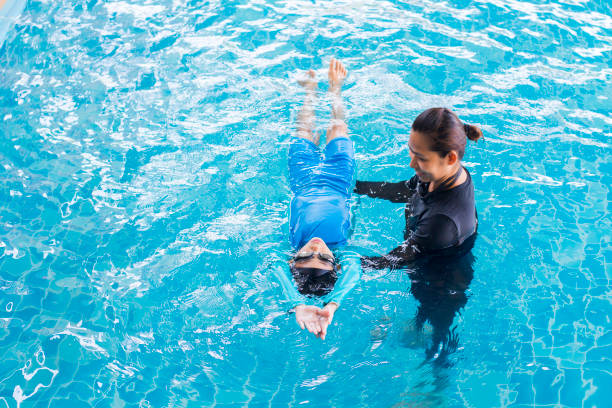
Pools used regularly for swim lessons, whether formal instruction or simply consistent practice time with young children, experience a different usage pattern than typical recreational swimming, and that pattern has some practical implications for maintenance that are worth understanding.
Why Swim Lesson Use Differs From Typical Recreational Swimming
Swim lessons often involve more frequent, shorter sessions, potentially several times a week, compared to occasional recreational swimming that might happen once or twice weekly. This more frequent use pattern means more consistent bather load contributing to chlorine demand throughout the week, rather than concentrated use followed by longer quiet stretches.
Why Consistency in Chemistry Matters Even More During Active Lesson Periods
With more frequent use, maintaining stable, consistent chemistry becomes more important than it might be for a pool with more sporadic use. Chemistry that's allowed to drift between less frequent maintenance visits has more opportunity to affect comfort and safety when the pool is being used multiple times per week rather than just occasionally.
Considerations Specific to Young or Beginning Swimmers
Young children and beginning swimmers often swallow more water incidentally during lessons compared to more experienced swimmers, making properly balanced, adequately but not excessively sanitized water particularly relevant. This isn't a reason for alarm with properly maintained water, but it does reinforce why consistent, professional chemical management matters for pools seeing this kind of regular young-swimmer use.
Why Water Clarity Matters More for Safety During Lessons
Beyond general comfort, clear water is particularly important during swim instruction, since instructors need good visibility to properly supervise and assess a child's positioning and technique in the water. Cloudy or hazy water that might be a minor cosmetic annoyance during casual recreational use becomes more of a practical safety and instructional concern during active lessons.
Why More Frequent Testing Might Make Sense for This Use Pattern
If your pool is being used for swim lessons multiple times weekly, it's worth considering whether your current maintenance frequency adequately keeps pace with this more consistent usage pattern, potentially warranting closer attention during active lesson periods compared to how the same pool might be managed during a quieter stretch of the year.
What to Communicate to Your Pool Service
If you're using your pool regularly for swim lessons or intensive practice sessions, letting your pool service know helps them factor this usage pattern into their approach, potentially adjusting testing frequency or chemical management specifically around your actual, more frequent usage rather than assuming standard recreational use patterns.

Using your pool regularly for swim lessons and want maintenance that matches that use? Request your free consultation to discuss your specific needs.