
Weekly Pool Maintenance: What Homeowners Are Actually Paying For
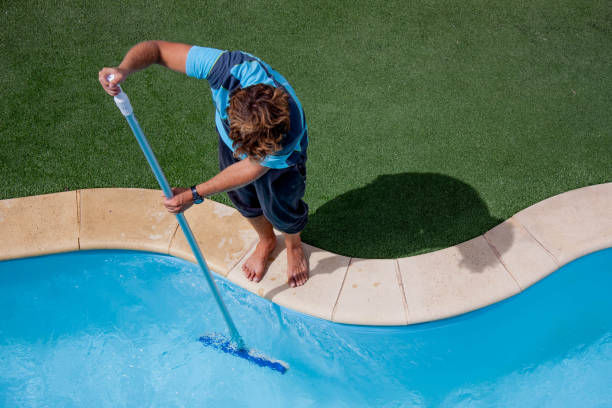
Weekly pool maintenance is one of those services homeowners pay for consistently without always knowing exactly what it should include. That gap matters, because it's hard to know whether you're getting real value from a service if you're not sure what's supposed to happen during each visit in the first place. Understanding the full scope of a proper weekly service helps you evaluate whether your current provider is doing the job right, or whether corners are being cut.
The Core Components of Every Weekly Visit
Water testing comes first, every time. A technician should test chlorine, pH, total alkalinity, and calcium hardness at every single visit, not periodically or "when it looks off." Chemistry shifts constantly, especially through North Texas summer heat, and skipping testing means every chemical adjustment that follows is based on guesswork rather than actual data.
Surface cleaning goes beyond just skimming leaves. A thorough visit includes skimming the surface, but also brushing walls, steps, and corners where algae tends to start, and vacuuming the pool floor to remove settled debris. These steps matter even when the pool "looks clean" on the surface, since a lot of early algae growth and debris settling isn't obvious from a quick glance.
Basket and skimmer cleaning keeps circulation intact. Clogged baskets restrict water flow through the entire system, not just at the basket itself. This is a simple step that gets skipped more often than it should, and its absence shows up later as reduced circulation and slower chemical distribution.
Equipment gets a visual and functional check. This doesn't need to be a full system inspection every week, but a technician should notice unusual noises, visible wear, or performance issues during the normal course of service, flagging anything that needs closer attention rather than waiting for a full breakdown.
Chemical adjustments are calculated, not default. Based on that visit's actual test results, chemicals should be dosed to bring the pool into proper range, not applied as a standard amount regardless of what the water actually needs.
What Homeowners Often Don't Realize Is Missing
No documentation of what was tested or added. A service that doesn't leave any record, whether that's a written note, a digital log, or a simple verbal update, makes it impossible to track patterns over time or know exactly what's been done to your water.
Inconsistent technicians. When a different person shows up every week, there's no continuity in noticing subtle changes specific to your pool. A tech who services the same pool regularly starts to recognize what's normal versus what's a warning sign.
Rushed visits that seem shorter than they used to be. If visit length has noticeably dropped over time without any change in your pool's condition, that's often a sign service quality has slipped, even if it's not immediately obvious in the water itself yet.
Why This Level of Detail Actually Matters
The difference between a thorough weekly visit and a rushed one often isn't visible immediately. A skipped brushing session doesn't turn your pool green the next day, it just means algae has slightly more of a head start the next time conditions favor it. These small gaps compound over weeks and months, eventually showing up as recurring algae, unexplained cloudy water, or equipment issues that should have been caught earlier.
What a Proper Weekly Service Should Leave You With
At the end of every visit, you should have balanced, tested water, clean surfaces free of visible debris, functioning equipment that's been checked, and ideally some record or communication of what was done. That combination is what actually protects your pool between visits, not just a quick pass that makes the water look acceptable for the moment.

Want to know exactly what's happening during your pool service? Request your free consultation and see what a thorough weekly visit actually looks like.