
What Actually Happens During a Pool System Inspection?
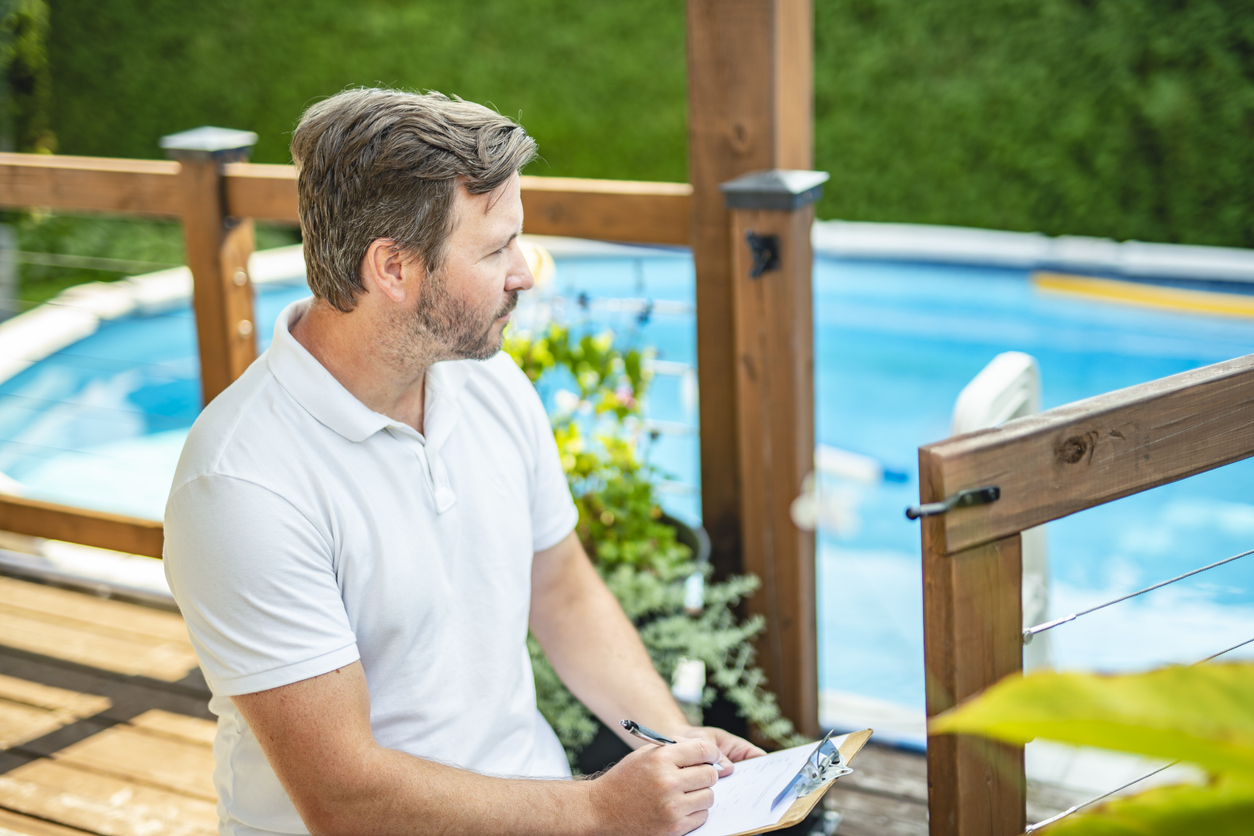
"System inspection" sounds thorough, but it's not always clear what that actually means in practice. If you've never had one done and you're wondering whether it's worth booking, knowing exactly what happens during the visit helps make that decision easier.
Step 1: Initial Water Testing
Every proper inspection starts with a full water chemistry test, chlorine, pH, alkalinity, and calcium hardness, to establish a clear baseline. This isn't just a routine check, it also reveals early signs of issues elsewhere in the system, since certain equipment problems show up first as chemistry that won't stay balanced no matter what's added.
Step 2: Pump and Motor Evaluation
The technician checks pump performance, listening for unusual noise, checking for vibration, and confirming the motor is running at expected speed and output. This step catches early bearing wear, motor strain, or performance loss that hasn't yet caused a full breakdown.
Step 3: Filter Condition Check
Filters are inspected for pressure readings, physical condition, and filtration effectiveness. For cartridge filters, this may include a visual check of the cartridge material itself. For sand or DE systems, backwash performance is assessed.
Step 4: Plumbing and Valve Inspection
This step looks for slow leaks, corrosion, or valves that aren't seating or turning properly. Many leaks and plumbing issues are caught here before they've become large enough to show up as visible water loss.
Step 5: Circulation and Flow Assessment
The technician confirms water is circulating evenly throughout the entire pool, checking for weak spots or dead zones where flow is reduced, since these areas are where algae and debris tend to accumulate first.
Step 6: Heater and Automation Testing (If Applicable)
For pools with heaters or automated control systems, this step confirms these systems power on, respond to commands, and operate within normal safety parameters.
Step 7: Visual Surface and Structural Check
A walk-around inspection looks for visible cracks, tile separation, calcium buildup, or other surface issues that may need attention, even if they're not yet affecting equipment function.
What You Get at the End of an Inspection
A proper pool system inspection should leave you with a clear, specific summary: what's in good condition, what's showing early wear, and what needs attention now versus what can be monitored over time. That clarity is the actual value of an inspection, turning uncertainty about your pool's condition into a concrete plan.

Want a clear picture of your pool's actual condition? Request your free consultation and get a full system inspection scheduled.