
What Actually Happens to a Pool That's Never Been Inspected?
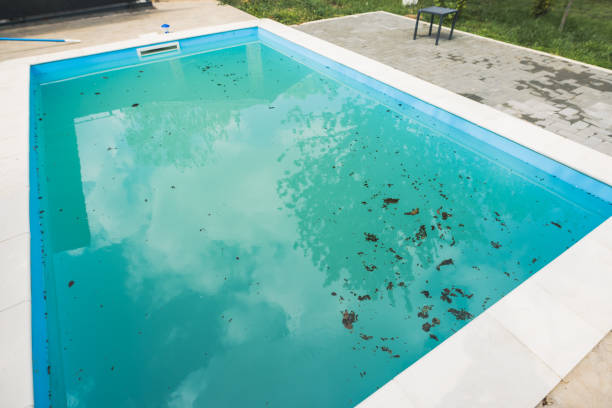
Plenty of pools run for years without ever having a formal system inspection, and in many cases, nothing dramatic happens right away. But understanding what tends to develop, gradually and often invisibly, in a pool that's never been thoroughly inspected explains why this service has real value even when nothing seems obviously wrong.
Small Issues Accumulate Without Anyone Noticing
Without periodic inspection, minor equipment wear, an aging bearing starting to develop noise, a valve that's not quite sealing as tightly as it should, a slow leak too small to show up as an obvious water level drop, has no structured opportunity to be caught early. These issues don't announce themselves clearly; they develop gradually, and without someone specifically looking for them, they simply continue progressing until they eventually become obvious, usually at the point where the fix is more involved and expensive than it would have been earlier.
Equipment Tends to Fail More Abruptly
Pools that rely purely on reactive care, fixing things once they've clearly broken, tend to experience more sudden, complete equipment failures rather than a gradual decline that gets caught and addressed along the way. A pump that's been quietly struggling for months without inspection is more likely to fail outright than one that had early warning signs identified and addressed during a routine check.
Small Leaks Have More Time to Cause Secondary Damage
A slow leak that goes undetected for an extended period doesn't just waste water, it can lead to secondary issues, erosion around the leak site, damage to nearby structures or decking, or soil issues that affect the pool's surrounding foundation over time. Catching a leak early through inspection tends to mean a smaller, more contained repair compared to one that's had months or years to cause additional damage.
Chemistry-Related Surface Issues Progress Further
Pools without periodic inspection sometimes have ongoing chemistry imbalances that go unaddressed longer than they would with regular professional oversight, and issues like calcium buildup or surface etching that could have been caught and corrected earlier are more likely to progress to a point where they're more difficult, or impossible, to fully reverse.
Why "Nothing Seems Wrong" Isn't the Same as "Nothing Is Wrong"
Many of the issues that inspections are designed to catch don't produce obvious, immediate symptoms in their early stages. A pool can look and function acceptably on the surface while equipment is quietly nearing the end of its usable life, or while a small leak is slowly worsening beneath the surface. The absence of an obvious problem isn't the same as confirmation that everything is actually fine.
The Real Value Proposition of Regular Inspections
The pools that tend to avoid major, expensive surprises are generally the ones with some structured, periodic check on their actual condition, not just reactive care that only responds once something has already become a visible problem. An inspection doesn't prevent equipment from eventually aging or failing, everything has a lifespan, but it does shift problems from being discovered at their worst moment to being caught while they're still manageable and affordable to address.

Never had your pool system properly inspected? Request your free consultation and get a clear picture of where things actually stand.