
What Happens If You Never Backwash Your Sand or DE Filter?
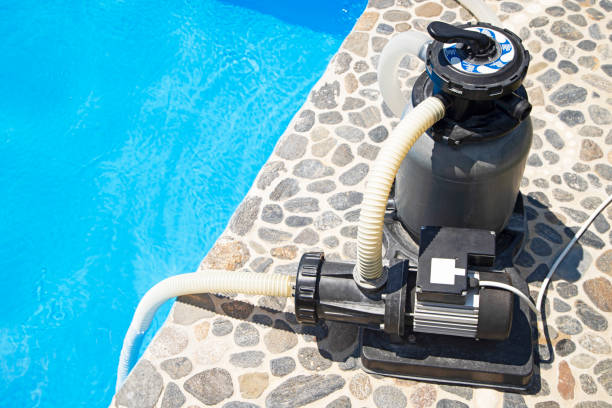
Backwashing is easy to overlook, it's not as visually obvious a task as skimming leaves off the surface, and a sand or DE filter can continue running for a while even when significantly overdue. Understanding what actually happens if backwashing is consistently neglected explains why this often-forgotten step matters more than its low visibility might suggest.
What Happens Inside the Filter Without Backwashing
As a sand or DE filter operates without ever being backwashed, trapped debris continues accumulating within the media, gradually restricting the pathways water needs to flow through. Unlike a cartridge filter that can be visually inspected and rinsed relatively easily, sand and DE systems rely specifically on the backwash process to clear this accumulated debris, and there's no effective substitute for skipping it indefinitely.
Early Signs of a Filter That's Overdue for Backwashing
Steadily rising pressure gauge readings. This is typically the clearest, most direct indicator that debris buildup within the filter is restricting flow more than normal.
Reduced water flow throughout the system. As internal restriction increases, overall circulation suffers, potentially showing up as weaker return jets or reduced overall water movement.
Water clarity beginning to decline. As the filter becomes increasingly restricted, its ability to effectively filter fine particulate diminishes, sometimes showing up as gradually declining water clarity even with otherwise normal chemical balance.
What Happens With More Extended Neglect
If backwashing continues to be skipped well beyond typical intervals, the filter can become so restricted that it significantly limits overall system flow, straining the pump as it works harder against this increased resistance, similar to the broader energy and equipment wear implications discussed with filter neglect generally, but often more severe given how completely restricted a long-neglected sand or DE filter can become.
Why Extreme Neglect Can Require More Than Just an Overdue Backwash
In cases of truly extended neglect, simply performing a standard backwash cycle may not be sufficient to restore the filter to normal function, since severely compacted or channeled media (where water has essentially carved persistent paths through the sand rather than filtering evenly through it) can require more involved intervention, potentially including partial or full media replacement, to restore proper function.
Why Establishing a Regular Backwash Schedule Matters
Rather than waiting for pressure to climb to a concerning level before considering backwashing, following a consistent schedule (or pressure-based trigger point) prevents the filter from ever reaching the point of severe restriction that's harder and more involved to fully correct.
What to Do If You're Not Sure When Your Filter Was Last Backwashed
If you genuinely don't know when your sand or DE filter last had a proper backwash cycle, checking current pressure against your filter's baseline clean reading is a reasonable starting point, and if it's been an extended, uncertain period, having a professional assessment to determine whether standard backwashing will be sufficient or whether more involved attention is needed makes sense before assuming a routine cycle will fully resolve things.

Not sure when your filter was last properly backwashed? Request your free consultation and get it checked and restored properly.