
What to Expect After Installing a New Pool Filter
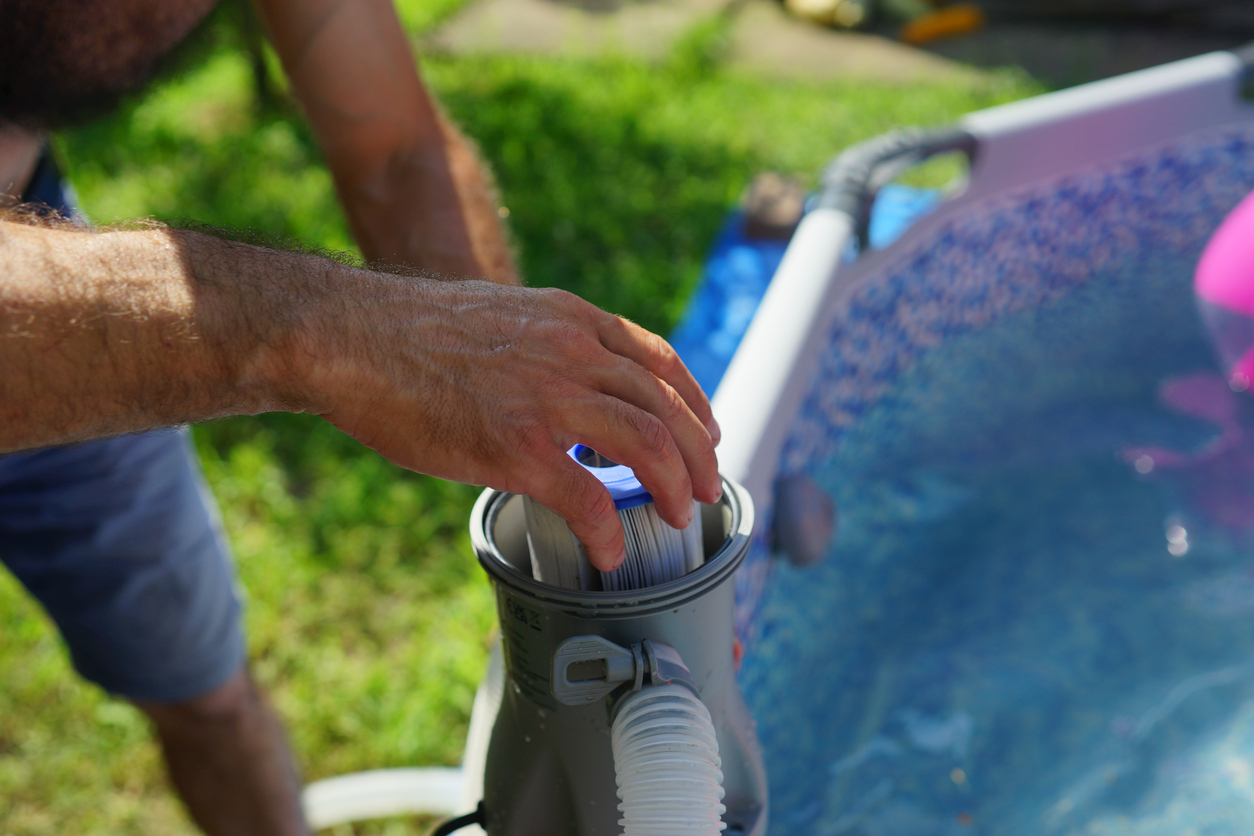
After a filter replacement, whether it's a new cartridge, fresh sand media, or a full new DE grid setup, there's a break-in period where performance can behave somewhat differently than it will once the system fully settles in. Knowing what's normal during this window helps avoid unnecessary concern over what's actually an expected, temporary phase.
Why New Filter Media Behaves Differently at First
Sand filters need initial settling. Fresh sand needs to settle properly within the tank, and early backwash cycles sometimes push out some fine sand particulate initially until the media fully settles into its proper configuration.
Cartridge filters may show slightly different initial pressure readings. A brand-new cartridge, with intact, unworn pleating, can sometimes show different baseline pressure compared to what you may have grown used to with an older, more worn cartridge, simply due to the fresh material's characteristics.
DE filters require careful initial charging. Getting the right amount of DE powder properly distributed during the first charge after installation matters for how effectively the new grid performs from the start, and any imperfection in this initial process can affect early performance until adjusted.
What's Normal to See During Break-In
Some minor initial cloudiness, particularly with new sand settling in, is a normal part of the first day or two of operation and generally clears on its own as the system settles. Pressure readings may also take a cleaning cycle or two to establish a new normal baseline, especially if you're comparing it against memory of how your old, more worn filter used to perform.
What's Worth Having Checked
If cloudiness or performance issues persist well beyond the first few days, or if pressure readings seem unusually high or low compared to manufacturer specifications for your specific filter model, that's worth a follow-up check rather than assuming it will simply continue improving on its own indefinitely.
Why Proper Installation Matters for a Smooth Break-In
A filter that's properly installed and initially set up, correct media amount, proper initial charging for DE systems, correct assembly for cartridge systems, tends to have a smoother, shorter break-in period than one where installation steps were rushed or slightly off. This is part of why professional installation matters even for what might seem like a straightforward filter swap.
Establishing Your New Baseline
Once break-in is complete, take note of what normal pressure and performance look like for your new filter, this becomes your new reference point for recognizing when future cleanings are actually needed, rather than comparing against your old filter's different baseline characteristics.

Just had a new filter installed and want to make sure everything's running as it should? Request your free consultation and get it confirmed.