
When a DIY Pool Repair Attempt Makes the Problem Worse
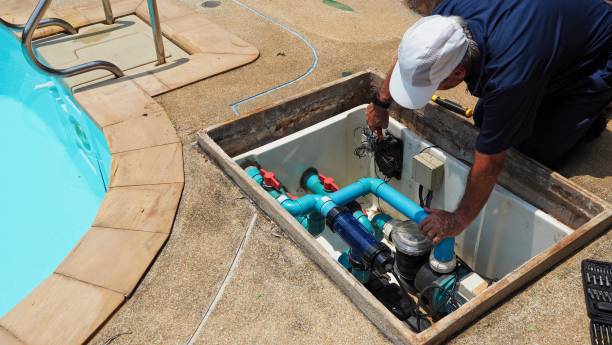
It's a genuinely common situation: a homeowner attempts a DIY fix on a pool equipment issue, and rather than resolving the problem, the attempt either doesn't work or introduces a new complication on top of the original issue. If this describes your situation, know that it's a fixable, familiar scenario, not something to feel embarrassed about calling in help for.
Common Ways DIY Attempts Can Complicate an Existing Issue
Incorrect reassembly after taking equipment apart. Removing and reinstalling components like pump lids, filter housings, or valve assemblies without proper technique can introduce new leaks or air intrusion issues that weren't present with the original problem.
Using the wrong replacement part. Pool equipment often has specific part requirements, and a generic or mismatched replacement part, even if it seems to fit, can cause performance issues or damage over time that wouldn't have occurred with the correct part.
Overtightening or undertightening connections. Both extremes can cause new problems, overtightening risking cracked fittings or stripped threads, undertightening leading to leaks or air introduction that affects pump performance.
Attempting electrical work without proper safety knowledge. As covered elsewhere regarding pool lighting and electrical components, DIY electrical repair carries genuine safety risk and can also create new malfunctions if not done correctly, sometimes affecting more of the system than the original issue did.
Why This Doesn't Mean the Situation Is Hopeless
A professional repair visit can typically diagnose both the original issue and whatever additional complication resulted from the DIY attempt, addressing the full, current state of the problem rather than treating it as unsolvable because of the added complexity. Experienced technicians are quite familiar with this exact situation and know how to work through it methodically.
Why Being Upfront About the DIY Attempt Actually Helps
It's genuinely useful to let a technician know exactly what was attempted, what was removed or adjusted, what parts were used, rather than leaving that information out. This context helps them understand the full picture faster and diagnose accurately, rather than working from an incomplete understanding of what's actually been done to the equipment already.
Why This Situation Doesn't Necessarily Cost More Than the Original Repair Would Have
While it depends on the specific complication introduced, many DIY-attempt situations are still very manageable and don't necessarily result in dramatically higher repair costs than addressing the original issue would have from the start, particularly if the attempt is caught and corrected relatively soon rather than after extended additional use in its compromised state.
The Practical Takeaway
If a DIY repair attempt hasn't gone as planned, the right next step is simply a professional evaluation as soon as reasonably possible, being transparent about what was done, rather than continuing to attempt further fixes that risk compounding the situation further.

DIY repair attempt not going as planned? Request your free consultation and let Pool Theory sort out the full picture.