
Which North Texas Trees Cause the Most Pool Filter Headaches?
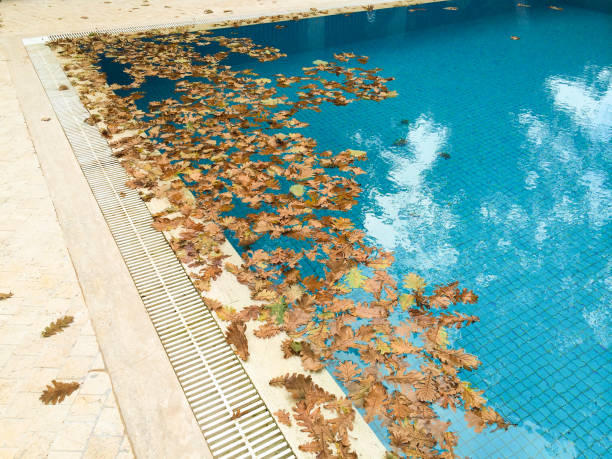
Homeowners with mature trees near their pool often notice their filter needs more frequent attention than neighbors with less tree coverage, but not all trees contribute equally to this burden. Certain species common in North Texas landscaping create notably more filter-related headaches than others.
Live Oaks and Their Seasonal Leaf Drop
Live oaks, common throughout North Texas landscaping, have a somewhat unusual pattern of dropping leaves in spring rather than fall, often creating a concentrated period of heavy leaf debris that can catch homeowners off guard if they're expecting the more typical fall leaf-drop pattern most other deciduous trees follow.
Crape Myrtles and Seed Pod Debris
Crape myrtles, extremely popular in North Texas landscaping for their long summer bloom period, also produce seed pods that can fall into pools throughout late summer and fall, adding to debris load beyond just leaves during a period when pool use is often still high.
Pine Trees and Needle Debris
Pine needles, while smaller than typical broad leaves, can be particularly troublesome for filters since their narrow shape and volume can pack into filter media more densely than larger leaf debris, sometimes clogging cartridge filters faster than an equivalent volume of broader leaf material would.
Cottonwood Trees and Seasonal Fluff
Cottonwood trees produce a notable amount of cottony seed fluff during a specific seasonal window, which can be surprisingly effective at clogging skimmer baskets and filter intakes despite its light, seemingly insignificant appearance.
Why Knowing Your Specific Tree Coverage Helps Predict Maintenance Needs
Understanding which specific trees are near your pool, and their particular seasonal debris patterns, whether spring leaf drop, late-summer seed pods, year-round needle shedding, or seasonal cottony fluff, helps set realistic expectations for when your filter is likely to need more frequent attention throughout the year, rather than assuming a generic, evenly distributed debris pattern.
What to Do During Known High-Debris Periods
If you know your specific trees have a particular high-debris season, live oak spring leaf drop, crape myrtle seed pods in late summer, it's reasonable to proactively increase skimmer basket checks and filter cleaning frequency during those specific windows, rather than waiting for pressure readings to climb before responding.
Why This Level of Local, Specific Knowledge Matters
A pool service familiar with North Texas landscaping and its common tree species can anticipate these seasonal debris patterns specific to your property's actual tree coverage, adjusting maintenance attention proactively rather than reactively responding after debris has already caused a filter or skimmer issue.

Dealing with heavy seasonal debris from specific trees near your pool? Request your free consultation and get a maintenance plan that anticipates it.