
Why Does My Pool Foam? Common Causes and Fixes
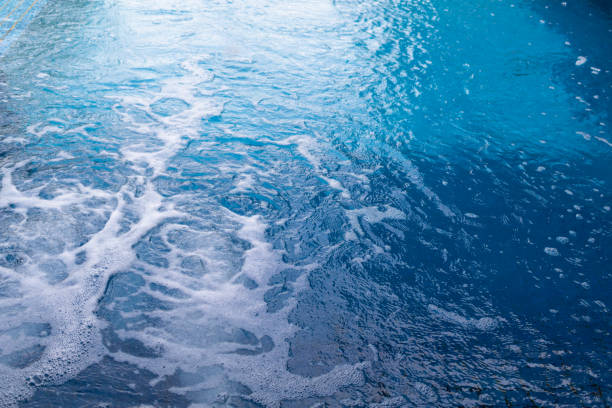
Foam on the surface of a pool, especially near return jets or after the pump kicks on, catches homeowners off guard because it's not something most people expect to deal with. It's usually not dangerous, but it is a sign that something in the water chemistry or product use needs attention.
The Most Common Cause: Low-Quality or Overused Products
The number one cause of pool foam is algaecides and other chemical products, particularly certain algaecide formulas that contain surfactants. These surfactants reduce surface tension in water, which is exactly what causes foam. Overusing these products, or using lower-quality versions, is the most frequent culprit behind unexpected foaming.
Other Common Causes of Pool Foam
Body care products. Sunscreen, lotions, and certain hair or skin products can introduce surfactant-like residue into pool water, especially with heavy bather load.
Low calcium hardness. Extremely soft water (low in calcium) can sometimes contribute to foaming, since mineral content affects how water holds its surface tension.
Certain shock treatments. Some non-chlorine shock products can cause temporary foaming as they react with existing chemicals in the water.
Salt system byproducts. In some cases, saltwater pools can experience mild foaming related to how the salt cell interacts with other water chemistry factors, though this is less common than product-related causes.
How to Fix a Foaming Pool
The most direct fix is identifying and reducing use of whatever product introduced the surfactants, often an algaecide, and allowing the pool to filter and dilute naturally over time. In more persistent cases, a partial water change can help, since foam-causing surfactants don't break down easily through filtration alone.
Testing water chemistry, especially calcium hardness, helps rule out whether the cause is chemical-related versus product-related. If foam appears right after adding a specific product, that's usually the clearest sign of what's causing it.
When Foam Signals a Bigger Issue
Occasional light foam near jets usually isn't a major concern. Persistent, heavy foam covering large areas of the surface, especially combined with cloudy water or unusual smell, is worth having tested professionally, since it can sometimes point to a bigger chemical imbalance rather than just a product reaction.
Preventing Pool Foam Going Forward
Choosing algaecide products carefully, avoiding excessive dosing, and maintaining consistent, professionally balanced water chemistry all reduce the likelihood of foam becoming a recurring issue. Pools on a regular chemical balancing schedule are far less likely to run into unexpected foaming, since chemistry stays within a stable, predictable range instead of swinging in response to occasional at-home treatments.

Dealing with foam you can't explain? Request your free consultation and get your water chemistry checked properly.