
Why Your Neighbor's Pool Chemistry Advice Might Not Apply to Yours
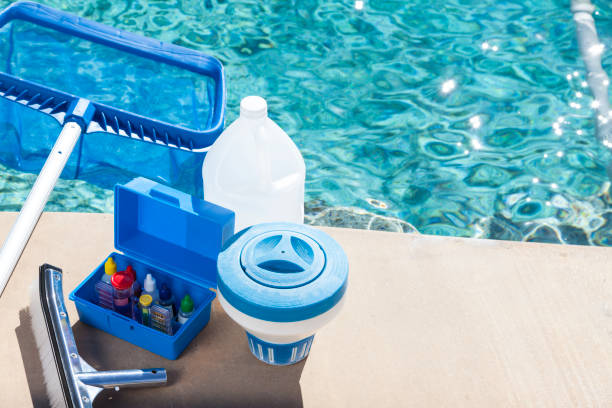
It's a common and understandable instinct: a neighbor mentions what's worked for their pool, and it seems reasonable to try the same approach on your own, especially if the pools seem similar in size and are in the same general area. But even neighboring pools, seemingly facing the same climate and water source, can genuinely need different chemical approaches, and understanding why explains why generic advice sometimes falls flat.
Why Sun Exposure Varies More Than You'd Expect
Even pools in the same neighborhood can have meaningfully different sun exposure based on tree coverage, house orientation, fencing, and nearby structures. A pool that sits mostly shaded through the afternoon experiences slower chlorine breakdown than a neighbor's pool sitting in full, direct sun for most of the day, even if they're just a few houses apart.
Why Equipment Age and Type Differ
Two pools built around the same time, or even by the same builder, can end up with different equipment as repairs and replacements happen on different timelines over the years. A neighbor with a newer, more efficient pump and filter system may achieve different results with the same general chemical approach than a pool still running older, less efficient equipment.
Why Bather Load and Usage Patterns Matter
A pool used daily by a large family faces different chemical demand than a similarly sized pool used occasionally by a couple. This usage difference alone can mean two pools need meaningfully different chemical routines despite similar size and location.
Why Surface Type and Age Play a Role
Plaster, pebble, and other pool surface finishes interact with water chemistry somewhat differently, and even the same surface type at different ages (a newly resurfaced pool versus one nearing the end of its plaster's lifespan) can behave differently in terms of how chemistry needs to be managed.
Why Fill Water Can Actually Vary Locally
Even within a relatively small geographic area, water hardness and mineral content can vary somewhat depending on the specific water source or how water has been treated, meaning "our water is hard around here" doesn't necessarily mean every pool in the area has identical starting mineral content.
Why This Doesn't Mean General Guidance Is Useless
Understanding North Texas climate patterns, common seasonal challenges, and general best practices is genuinely useful and broadly applicable. What doesn't transfer directly is specific dosing amounts, exact testing frequency, or assuming an approach that worked for a neighbor's particular pool will produce identical results for yours, given all the variables that can differ even between geographically close pools.
Why Professional, Pool-Specific Balancing Makes More Sense Than Borrowed Advice
Chemical balancing tailored to your pool's specific sun exposure, equipment, usage patterns, and current condition is going to produce more reliable, consistent results than trying to replicate what's worked for a different pool, even one that seems quite similar on the surface.

Want chemical balancing based on your pool's actual specifics, not general assumptions? Request your free consultation to get started.